
Indian Stock Market Continues Upward Trend as Nifty Surpasses 24,000

Market Overview
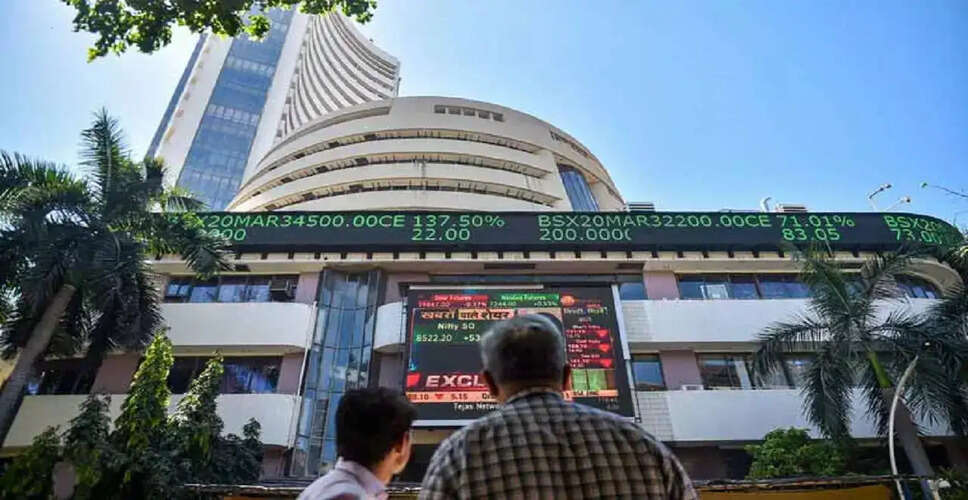
On Wednesday, the Indian stock market marked its fourth consecutive session of gains, with the Nifty index surpassing the 24,000 threshold and approaching 24,100. The Sensex also experienced a significant rise, gaining nearly 350 points. By the end of the trading day, the Sensex had increased by 347.14 points, or 0.45%, closing at 77,155.62, while the Nifty finished at 24,085.70, up by 96.55 points or 0.40%. The Indian rupee remained relatively stable, closing at 94.53 per dollar, slightly better than the previous day's 94.56.
Vinod Nair, Head of Research at Geojit Investments Limited, commented that Indian equities have continued their upward trajectory for a third consecutive session, buoyed by lower bond yields and a stronger rupee, despite mixed signals from global markets ahead of the Federal Reserve's policy announcement. The decline in crude oil prices, attributed to easing geopolitical tensions in the Strait of Hormuz, has contributed to positive investor sentiment. The IT and metals sectors led the gains, driven by expectations of a stable interest rate environment in the US and improving global demand. Additionally, public sector banks benefited from mark-to-market gains and capital relief due to eased risk weights under the ECLGS. Although there were concerns regarding delayed monsoons and low reservoir levels that prompted some profit-taking during the day, late-session short covering allowed the indices to close with modest gains.