
Indian Rupee Hits Record Low Amid Global Tensions
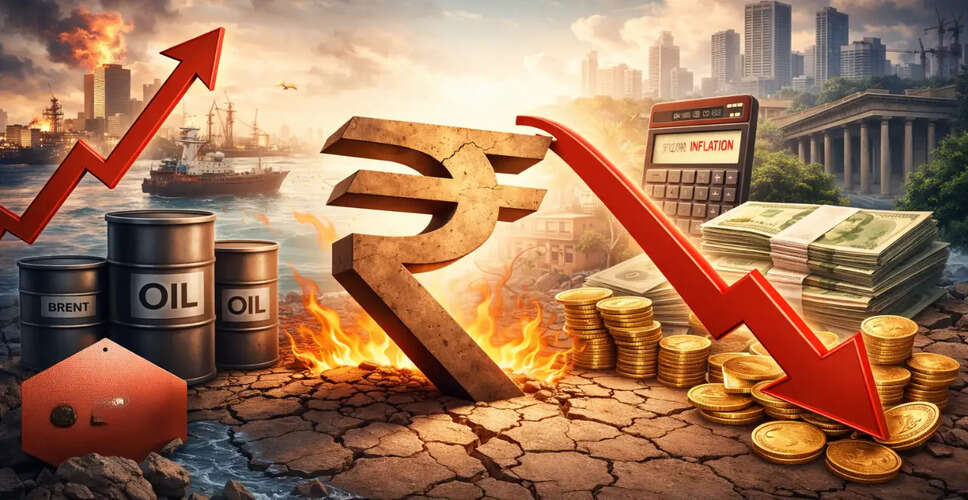
Rupee's Historic Decline
On March 30, the Indian rupee fell to an unprecedented low of Rs 95 against the US Dollar. This decline has been largely attributed to the escalating tensions stemming from the US-Israel-Iran conflict that began on February 28. Initially, the rupee opened at a strong 93.60 per dollar, reflecting a gain of over 1 percent, but it failed to sustain this upward trend and weakened as the day progressed.
Market analysts indicate that the rupee's early strength was short-lived due to a combination of new regulations and market dynamics. The Reserve Bank of India (RBI) instructed banks to decrease their foreign exchange holdings, which led to increased selling of dollars in the domestic market. This action forced banks to engage in the offshore non-deliverable forward (NDF) market, creating a disparity between onshore and offshore dollar prices.
Companies capitalized on this price difference by purchasing dollars locally and selling them in the NDF market, which restricted the rupee's potential gains and caused erratic fluctuations throughout the trading day. Estimates suggest that these market flows ranged between $25 billion and $35 billion, with the price gap between the one-month NDF and the onshore market widening significantly to over Rs 1 at one point, before settling around 40–50 paise.
Amit Pabari, Managing Director at CR Forex Advisors, noted that as banks adjust their positions, they are likely to sell dollars, which may provide temporary support to the rupee. However, this relief is driven by position adjustments rather than fundamental changes in the market.
Simultaneously, the demand for dollars from importers, particularly large corporations managing their immediate payments, has continued to exert downward pressure on the rupee. The situation is further complicated by rising crude oil prices due to increasing tensions between Iran and the US and Israel, which heightens India's import costs, fuels inflation, and prompts foreign investors to withdraw funds, thereby intensifying the rupee's decline.
Pabari emphasized the critical nature of this situation for India, a major oil importer, as higher oil prices escalate dollar demand, directly impacting the rupee's stability.
Economic Implications
Goldman Sachs previously indicated that the rupee is currently the weakest currency in South Asia and may further depreciate to 95 per dollar by next year, posing significant challenges for the Indian economy. Madhavi Arora, Chief Economist at Emkay Global, remarked that the RBI's actions serve more as a market signal than a substantial policy shift. She explained that the central bank aims to demonstrate its vigilance over market conditions, which contributed to the rupee's inability to maintain its initial gains.
Arora added that the RBI's strategy is designed to mitigate speculative trading and excessive arbitrage, particularly in a low short-term interest rate environment. Despite these measures, the overall trend for the rupee remains under pressure due to unfavorable global trade conditions and reduced capital inflows, with the RBI primarily focused on curbing speculative activities that could exacerbate the situation.