
Indian Rupee Falls Below 96 Against US Dollar Amid Geopolitical Tensions
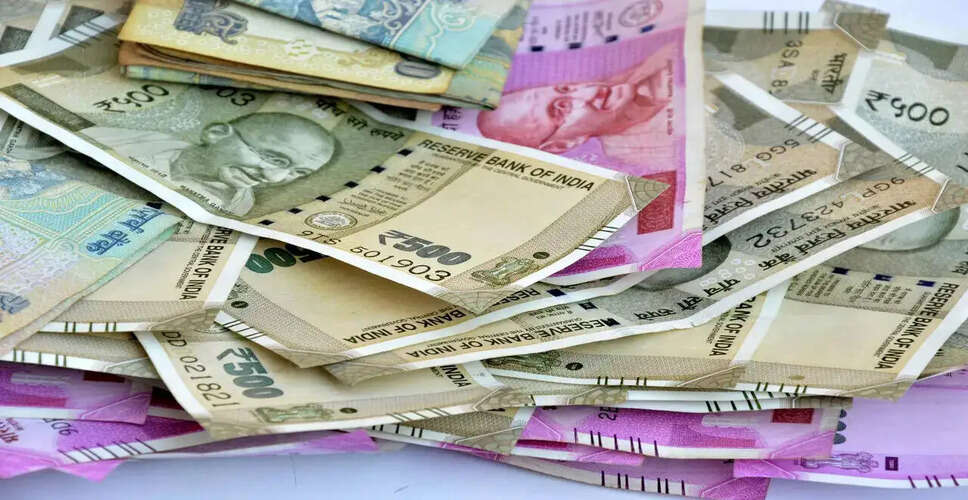

Rupee Weakens Amidst Global Uncertainty
For the first time since May, the Indian rupee has slipped past the 96 mark against the US dollar. Analysts attribute this decline to geopolitical instability, particularly the recent tensions between the US and Iran, alongside a significant rise of over 9 percent in crude oil prices, which has increased demand for the US dollar. Initially, the rupee opened lower by 33 paise at 95.95 to the dollar, but it quickly fell further during early trading, crossing the 96 threshold.
Forex experts suggest that it is crucial to keep an eye on geopolitical developments and their effects on energy prices, especially since India relies on imports for over 85 percent of its crude oil. Market analysts are looking for global indicators that could influence the rupee's trajectory in the coming days. On Tuesday, the rupee depreciated by 48 paise, reaching 96.16 against the US dollar as heightened geopolitical tensions exerted pressure on various Asian currencies, including the rupee.
Traders noted that the rupee's decline is a result of multiple factors, including the surge in crude oil prices, renewed geopolitical conflicts, and a growing demand for the US dollar as investors seek safe-haven assets. Crude oil prices surged by as much as 9 percent in a single trading session after US President Donald Trump announced new shipping fees in the Strait of Hormuz, raising concerns about potential disruptions in global oil supplies. Peter McGuire, a leading global oil expert and CEO of Trading.com, remarked that crude prices have soared, with Brent reaching $86.60 per barrel at one point due to escalating tensions. He warned that energy markets are preparing for further price increases, potentially pushing Brent crude to $90 per barrel or higher this week, as tensions remain extremely high and equities are being sold off.