
Indian Industries Seek Relaxation of Quality Control Orders Amid Supply Chain Challenges
Indian Companies Call for Easing of Quality Control Regulations
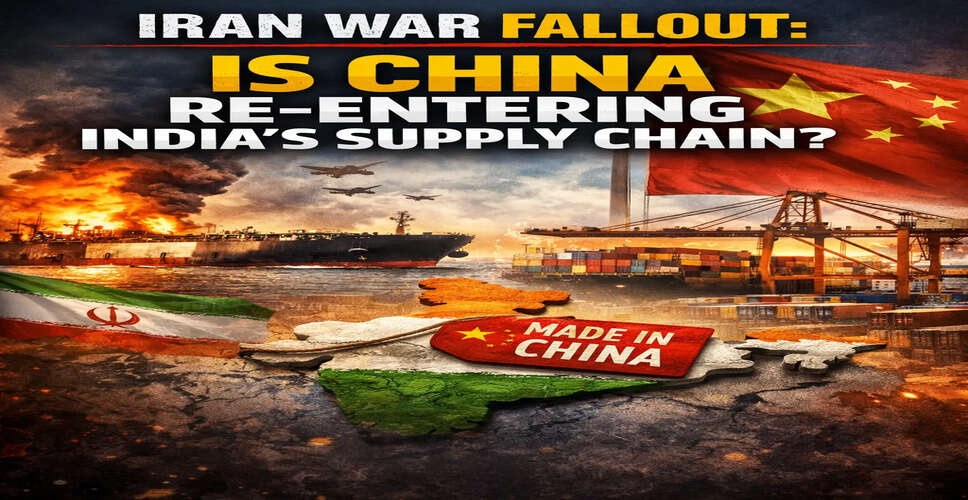
Indian businesses are urging the government to ease Quality Control Orders (QCOs) to enable them to source essential components from alternative locations, including China. A senior representative from the Bureau of Indian Standards (BIS) confirmed to a news outlet that sectors such as automotive, electronics, and steel are advocating for the removal of QCOs, which require BIS certification for the manufacturing, importing, and distribution of numerous products and materials. The ongoing conflict in Iran has severely disrupted supply chains, particularly after the blockade of the crucial Strait of Hormuz. Earlier this month, the Union Government proposed a delay in quality control restrictions for specific wrought aluminium products utilized in general engineering, electrical applications, and utensils. On March 11, an extension of 14 months was granted for compliance with BIS standards for these items.
Quality Control Orders are regulatory frameworks established by the Government of India under the BIS Act of 2016, mandating that certain products meet Indian Standards and display the ISI Mark before they can be manufactured, imported, stored, or sold in the country.
What Are the Demands of Indian Industries?
Manufacturers of auto parts and electronics have been significantly impacted by supply chain disruptions. Reports indicate that auto parts manufacturers are requesting a relaxation of QCOs for specific specialty steels used in producing piston rings and other components. Meanwhile, electronics manufacturers are asking for additional time to meet QCO requirements for air conditioning compressors. The compliance deadline for 2-tonne capacity compressors lapsed last month, while the deadline for the more commonly used 1.5-tonne compressors is set to expire next month. In November, the Department for Promotion of Industry and Internal Trade (DPIIT) granted an exemption from QCOs for 2-tonne and larger AC compressors until February 10, 2026, and for other models until April 17, 2026. The list of products affected includes terephthalic acid, ethylene glycol, polyester yarns and fibers, and major plastics like polypropylene, polyethylene, PVC, ABS, and polycarbonate.
In recent years, India has tightened import regulations through QCOs and other barriers to lessen reliance on Chinese imports and bolster domestic manufacturing. With supply disruptions worsening due to the Iran conflict, Indian industries are compelled to prioritize operational continuity over caution. Should the government agree to relax or postpone compliance requirements, it could once again make Chinese suppliers, known for their scale, cost-effectiveness, and rapid turnaround, the most appealing fallback option.