
Indian Government Enforces Strict Import Restrictions on Precious Metals
New Import Regulations for Precious Metals
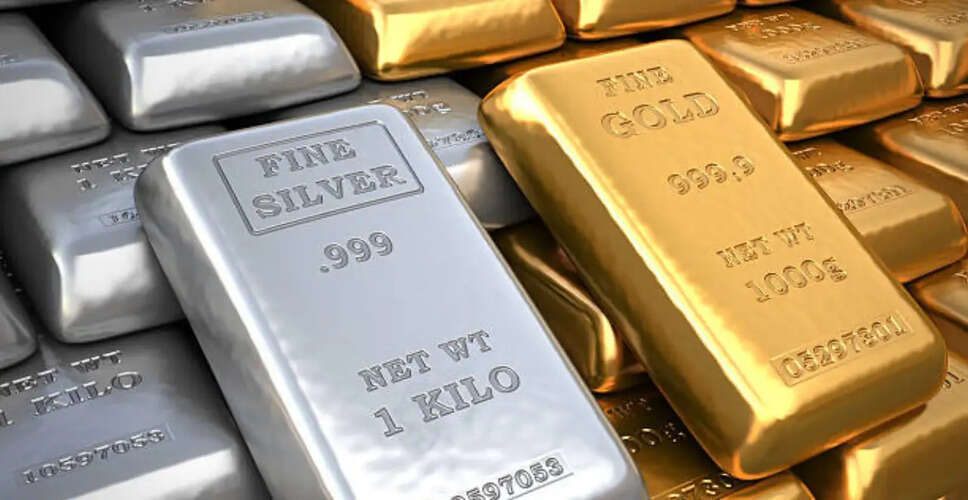
The Indian government has taken a significant step by implementing stringent restrictions on the importation of gold, silver, and platinum items, effective immediately. This decision, announced by the Directorate General of Foreign Trade (DGFT), aims to prevent the misuse of free trade agreements (FTAs) that some importers have been allegedly exploiting to smuggle precious metals.
The new regulations apply universally, disregarding any prior contracts, irrevocable letters of credit, advance payments, or even shipments that are already in transit. The government has also confirmed that there will be no transitional provisions or leniency for pending shipments.
As per the DGFT's announcement, the import policy for all items categorized under Chapter 71 of the ITC (HS) code has been revised. This chapter encompasses a variety of products, including unprocessed and processed pearls, gemstones (both valuable and semi-precious), precious and non-precious metals, articles made from these metals, imitation jewellery, and currency. This marks the most significant action taken by the government to restrict the influx of precious metals into the country.
India is the largest consumer of gold globally, making any changes to import regulations impactful on the jewellery sector and the bullion market, as well as retail jewellery prices.
Reasons Behind the New Regulations
Officials suspect that some traders were routing gold and silver through countries with FTAs, performing minimal value addition, and then claiming duty benefits. This practice was detrimental to the domestic industry and government revenue. By closing these loopholes, the government aims to ensure that only legitimate trade occurs and that the import of precious metals is more effectively regulated.
The jewellery industry, which employs millions of artisans nationwide, is expected to feel the repercussions of these changes. Many small and medium-sized jewellers rely on imported gold and silver for their creations. Industry representatives are anticipated to meet with government officials soon to clarify the implications of these new rules.
Wider Implications
Gold imports have always been a critical issue in India, directly affecting the country's current account deficit. Fluctuations in global gold prices or tightening import regulations can significantly impact the domestic market. In India, gold is not merely an investment or a decorative item; it carries profound cultural and emotional significance, particularly during weddings and festivals.
This notification signals the government's firm stance against any circumvention of trade regulations. Traders and importers are urged to promptly review their pending orders and shipments to prevent potential losses or delays at customs.
This development arrives amid global market volatility due to ongoing conflicts in the Middle East and rising crude oil prices. The effects of these restrictions on domestic gold prices and the availability of jewellery will be closely monitored in the upcoming days.
The DGFT has stated that the revised policy will be enforced strictly from now on. Importers and businesses involved in these items are encouraged to stay informed about official updates and adhere to the new guidelines to avoid regulatory complications.