
Indian Equity Markets Face Continued Decline Amid Global Uncertainties
Market Overview
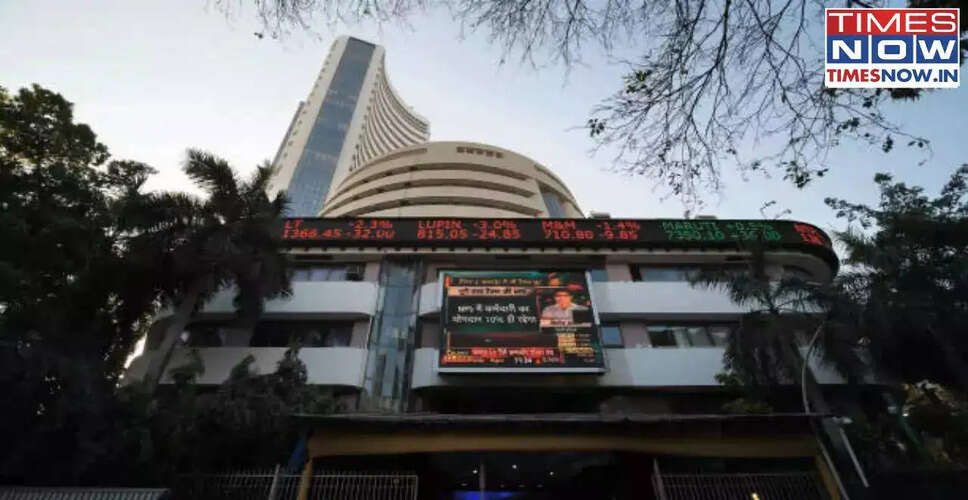
On Friday, March 13, Indian stock markets closed lower, marking the third consecutive day of losses as investors exercised caution due to global uncertainties and escalating energy costs. The BSE Sensex fell by 1,471 points, equivalent to a 1.93% decrease, finishing at 74,563.92. Similarly, the Nifty 50 dropped 488 points, or 2.06%, to close at 23,151.10. The broader market also experienced significant sell-offs, with the BSE 150 Midcap Index declining by 2.61% and the BSE 250 Smallcap Index decreasing by 2.67%, indicating widespread sector weakness.
Over the week, both major indices saw considerable declines, with the Sensex losing 4,355 points (5.5%) and the Nifty 50 dropping 1,300 points (5.3%), marking one of the most significant weekly corrections in recent history. Ajit Mishra, Senior Vice President of Research at Religare Broking, noted, “The markets faced a sharp correction this week, with both the Nifty and Sensex experiencing steep losses amid rising geopolitical tensions and increasing energy prices.”
Geopolitical Factors Impacting Market Sentiment
Looking ahead, market participants are likely to remain cautious as global geopolitical events are expected to influence investor sentiment. Ponmudi R, CEO of Enrich Money, indicated that volatility may persist as investors keep a close watch on developments related to ongoing tensions in the Middle East. “Investors will be attentive to statements from key government officials and global stakeholders for any signs of escalation or potential diplomatic resolutions. These factors will significantly impact crude oil prices, global bond yields, and currency market fluctuations,” Ponmudi explained.
He emphasized the importance of the Strait of Hormuz, a vital energy passage, where any extended disruption could tighten global oil supplies, affect inflation expectations across Asia, and maintain a fragile risk sentiment. Additionally, foreign institutional investment flows and the Indian rupee's movements will be critical indicators, as global capital allocation towards emerging markets like India is influenced by geopolitical developments and commodity price volatility.
Key Global Events to Monitor
Several global and domestic factors are poised to affect market movements in the upcoming week. A significant event is the Federal Reserve's policy meeting scheduled for March 17-18, where the central bank will announce its policy rate, currently set between 3.5% and 3.75%. Geopolitical tensions remain a pressing concern, with former US President Donald Trump suggesting that the United States might conduct further strikes on Kharg Island following Iran's threats of retaliation after a recent attack.
Trump indicated that while Tehran seems open to negotiations, the terms are not yet satisfactory. He mentioned that US strikes have severely damaged Kharg Island and hinted at possible future actions, stating, “We may hit it a few more times just for fun.”
Commodity Prices and FII Trends
Investors are also closely monitoring global commodity movements. Brent crude oil was trading near $100 per barrel, while West Texas Intermediate (WTI) was around $95 per barrel, following a temporary waiver from the US Treasury allowing countries to purchase Russian oil stranded at sea. Concerns regarding a potential blockade of the Strait of Hormuz have prevented significant drops in oil prices.
Precious metals have also seen volatility, with gold prices declining for the second consecutive week amid a stronger US dollar and rising Treasury yields. Aamir Makda, a Commodity & Currency Analyst at Choice Broking, noted that gold prices fell nearly 1.50% in international markets, trading below $5,100 per ounce, while in India, prices dipped over 1% to fall below the Rs. 160,000 mark. The strengthening US dollar, driven by rising oil prices and geopolitical tensions, along with increasing US Treasury yields, has exerted considerable pressure on gold.
Moreover, foreign institutional investors have been withdrawing funds from Indian equities, with net sales of Rs 52,704 crore in the first half of March alone, including a record single-day outflow of Rs 10,717 crore on Friday. VK Vijayakumar, Chief Investment Strategist at Geojit Investments Limited, attributed this trend to the weakness in global equity markets due to the West Asia conflict, the rupee's depreciation, and concerns about high crude prices impacting India's growth and corporate earnings. He noted that if foreign investors are to change their selling strategy, clear signs of earnings recovery in India will be necessary, which may take time given the current uncertainties.