
India to Ban Sale of Chinese CCTV Cameras by 2026
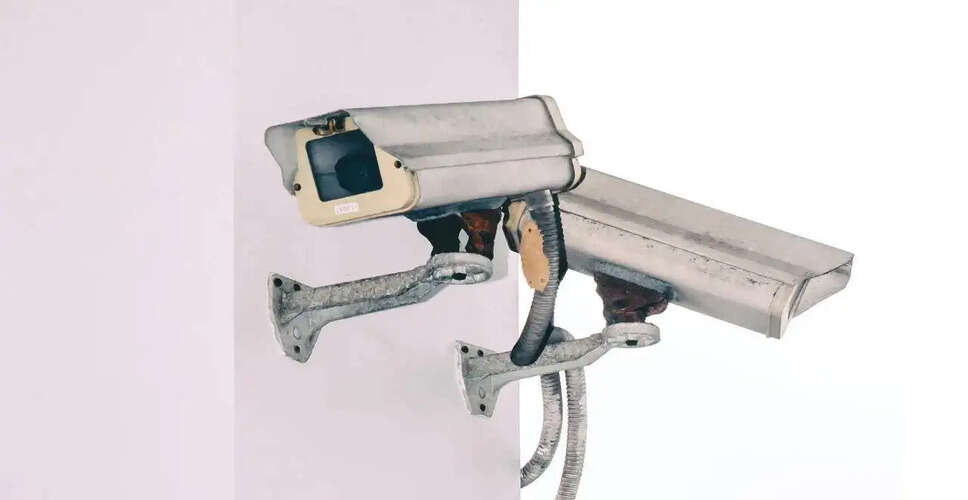
New Regulations on CCTV Cameras in India
Starting April 1, 2026, India will prohibit the sale of internet-connected CCTV cameras that incorporate Chinese components. This initiative is part of the government's strategy to enhance national security and lessen dependence on foreign technology.
Overview of the New Guidelines
Under the revised regulations, all CCTV cameras marketed in India must obtain certification from the Standardisation Testing and Quality Certification (STQC) department. Manufacturers are required to disclose the origins of critical components, particularly chipsets and firmware. Furthermore, these devices must undergo rigorous cybersecurity evaluations to ensure they cannot be accessed remotely by unauthorized individuals.
Impact on Chinese Brands
Prominent Chinese surveillance manufacturers like Hikvision, Dahua, and TP-Link are anticipated to face significant challenges. Previously, these brands collectively accounted for nearly one-third of the Indian CCTV market, but they will likely be excluded from the internet-connected segment.
Reasons Behind the Ban
The Indian government asserts that this ban is essential for bolstering national security and mitigating cyber-attack risks. Connected cameras are deemed vulnerable due to their potential for unauthorized surveillance, which could lead to misuse. Additionally, there is a concerted effort to diminish India's reliance on Chinese technology in critical sectors.
Transition Period Concludes
These regulations were not introduced abruptly; they were initially announced in 2024 as 'Essential Requirements,' allowing companies a two-year period to transition to non-Chinese components or comply with the new standards. This transition period has now concluded, and strict enforcement will commence on April 1.
Market Implications
The policy has already transformed the Indian surveillance landscape, with over 80% of the market now dominated by domestic brands, many of which source components from abroad. Some Chinese firms have reduced their operations or exited the market entirely. However, this shift may lead to increased prices for mid-range and premium equipment due to the higher costs of alternative components.
Existing Chinese Cameras
For individuals who currently own Chinese-made CCTV systems, there are no immediate restrictions, and these devices will continue to operate normally. However, users may eventually face challenges with software updates, technical support, or security patches. The government has made it clear that it seeks greater control over the nation's surveillance infrastructure, willing to incur short-term costs for long-term security and self-sufficiency through the development of indigenous technologies.