
India Set to Trial Polymer Banknotes for Currency Modernization
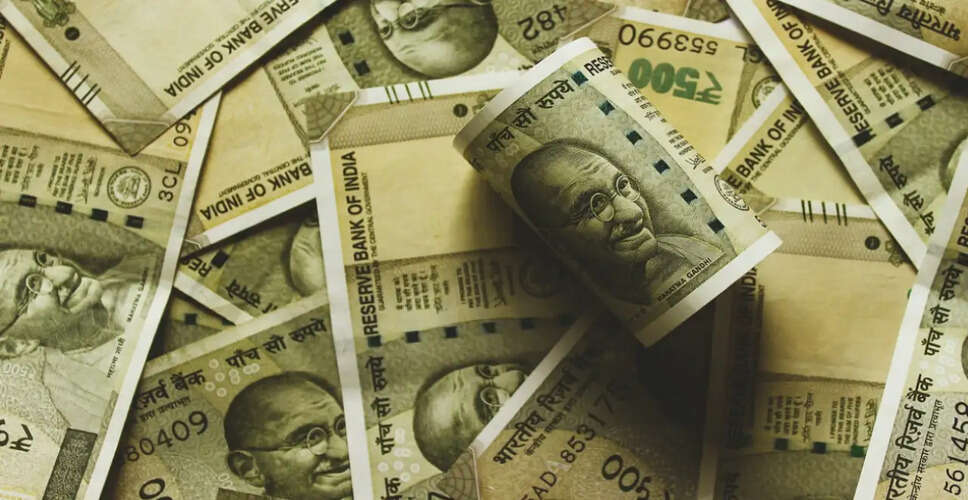

Introduction to Polymer Banknotes in India
India is on the verge of a significant transformation in its currency system, with plans to trial polymer-based banknotes starting next year. The Reserve Bank of India (RBI) has initiated preparations for a pilot program by reaching out to international manufacturers for the specialized polymer substrates necessary for producing these new notes.
As per sources, the RBI intends to initially test polymer notes in denominations of Rs 10 and Rs 20. The outcomes of these trials will influence the decision on whether to implement a nationwide distribution. Should the pilot be successful, the broader introduction of polymer notes may follow.
Global Suppliers Invited for Pilot Project
To support this trial, Bharatiya Reserve Bank Note Mudran Private Limited (BRBNMPL), the RBI's currency printing division, has issued a Global Expression of Interest (EOI) to manufacturers worldwide. The tender seeks suppliers who can provide opacified polymer substrate sheets made from Biaxially Oriented Polypropylene (BOPP), which must include security features tailored for Indian banknotes.
According to the EOI, BRBNMPL plans to acquire approximately 68,000 reams of polymer substrate, split evenly between the two denominations. Each ream will consist of 500 sheets, and the materials must feature various security elements such as a transparent portrait window, metallic numerals, magnetic pseudo threads, shadow images, and iridescent patterns. These substrates should be compatible with the printing facilities of both BRBNMPL and the Security Printing and Minting Corporation of India (SPMCIL).
Security Requirements for Bidders
The procurement process includes stringent security-related eligibility criteria. Companies wishing to participate must ensure that any operations in China or Pakistan are entirely separate from the Indian project. They are also barred from sourcing materials from these countries or employing personnel who have previously worked there.
Furthermore, companies from nations sharing a land border with India must be registered with the Department for Promotion of Industry and Internal Trade (DPIIT) Registration Committee to qualify.
Technical Requirements for Suppliers
The RBI has established specific technical criteria for potential suppliers. Interested companies must have at least three years of experience in providing polymer substrates with integrated security features to central banks or organizations involved in banknote production. They should also be capable of supplying a minimum of 20,400 reams, which is 30% of the total procurement quantity.
Additionally, companies must submit samples of the polymer sheets for laboratory testing and certify that the materials are free from animal tallow and DNA content. Although the RBI has not officially confirmed the denominations for the pilot, RBI Governor Sanjay Malhotra mentioned that the proposal for polymer banknotes is under consideration following the June monetary policy meeting.
Polymer banknotes were first introduced in Australia in 1988 and are now used in over 50 countries. Compared to traditional paper notes, they typically have a longer lifespan, provide enhanced protection against counterfeiting, and can reduce replacement costs over time. Their durability may also lessen environmental impact by decreasing the frequency of reprinting.