
India Launches Seventh Auction for Strategic Mineral Blocks to Boost Clean Energy Supply Chains
Seventh Auction of Mineral Blocks Announced
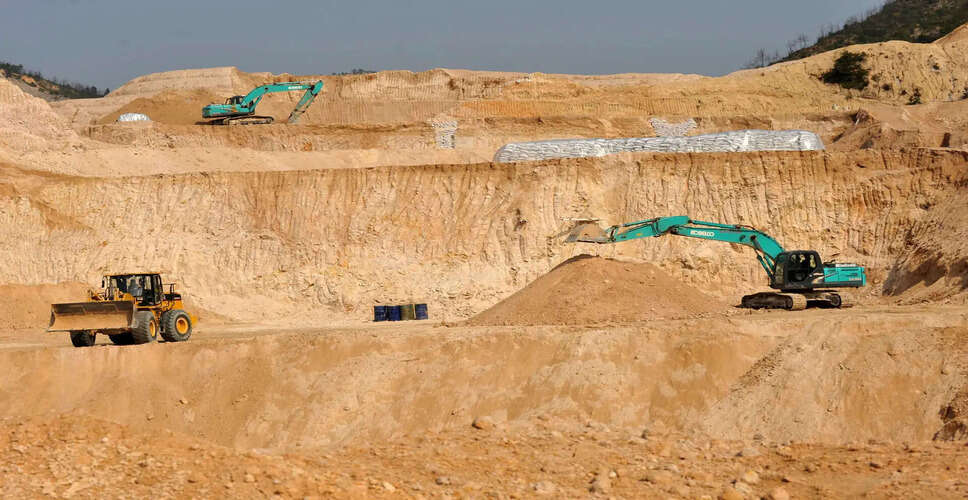
India has initiated the seventh round of auctions for vital mineral blocks, offering a total of 19 blocks across 10 different states. This initiative is part of the country's effort to enhance supply chains for clean energy and advanced manufacturing. Spearheaded by the Ministry of Mines, the auction focuses on minerals that are crucial for various sectors, including renewable energy, fertilizers, high-tech manufacturing, and strategic applications.
The process for obtaining tender documents will commence on March 30, with the last date for purchase set for May 18, and bid submissions will close on May 25. The auction will utilize a transparent two-stage ascending forward e-auction method, where the winners will be determined based on the highest quoted share of mineral dispatch value.
The blocks available for auction are spread across various regions. They include vanadium and graphite deposits in Arunachal Pradesh, several glauconite and vanadium-bearing blocks in Bihar and Chhattisgarh, as well as rare earth elements (REE) and yttrium in Karnataka. Additionally, lithium and tungsten-bearing blocks are located in Rajasthan, with other resources like titanium, phosphate, and aluminous laterite available in states such as Madhya Pradesh, Odisha, Telangana, Gujarat, and Uttarakhand.
Union Mines Minister G Kishan Reddy emphasized the recent reforms aimed at enhancing the ease of doing business within the sector. These reforms include simplified procedures and the introduction of insurance surety bonds, which are designed to reduce entry barriers for bidders. The government has also stated that amendments to auction rules in 2025 have streamlined timelines for post-auction clearances and improved compliance mechanisms, facilitating quicker operationalization of mining blocks.
This latest auction round highlights India's strategic initiative to secure essential minerals necessary for its energy transition and ambitions for industrial growth.