
India Faces Consecutive Fuel Price Hikes: Economic Implications
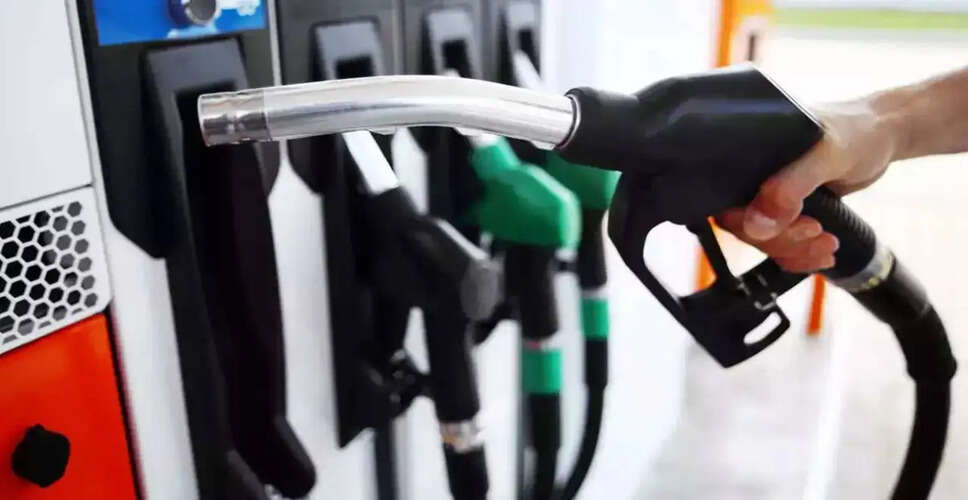

Rising Fuel Prices in India
India has experienced its fourth consecutive increase in petrol and diesel prices within a span of less than two weeks, resulting in a total rise of approximately ₹7.5 per litre. Mitali Nikore, a senior economist and founder of Nikore Associates, has expressed concerns regarding the fiscal implications of this situation. She noted that before the recent price hikes, the government was facing losses of around ₹1,000 crore daily due to fuel subsidies. The recent cumulative increase has alleviated some of this burden, reducing the daily loss to an estimated ₹500–600 crore, yet the government continues to face significant financial strain.
Nikore warned that if crude oil prices remain high, a further gradual increase of ₹10–12 per litre could be expected in the coming months. This staggered approach is intended to prevent a sudden shock to consumers and mitigate broader inflationary effects. Although there are some positive indicators, such as a slight easing in crude prices, it may be premature to consider this a lasting trend.
Nasser Salim, Managing Director at Flexi Capital, highlighted that rising fuel costs can lead to inflationary pressures beyond just energy prices. With global crude prices still elevated, this could keep overall inflation near the upper limits of the Reserve Bank of India's (RBI) target range of 2-6%.
Sanchita Mukherji, a Senior Business Economist at Talk the Walk, remarked that the rapid increase in fuel prices appears to be a significant shift, although energy analysts interpret it as a necessary adjustment. She pointed out that corporate cash reserves can diminish quickly when losses reach ₹1,000 crore daily. Allowing oil marketing companies (OMCs) to incur such losses poses a systemic risk to India's energy security and infrastructure investments, as well as the transition to cleaner energy alternatives.
Given that India imports over 85% of its crude oil, allowing retail prices to rise naturally can help curb discretionary spending, acting as a macroeconomic pressure relief valve. This strategy is crucial for protecting India's foreign exchange reserves and avoiding a broader balance-of-payments crisis, especially amid global trade disruptions. Ultimately, this situation underscores the delicate balance India must maintain between managing the local impact of high logistics costs on food inflation and ensuring the financial stability of its energy supply chain.