
India Faces Consecutive Fuel Price Hikes Amid Iran Conflict
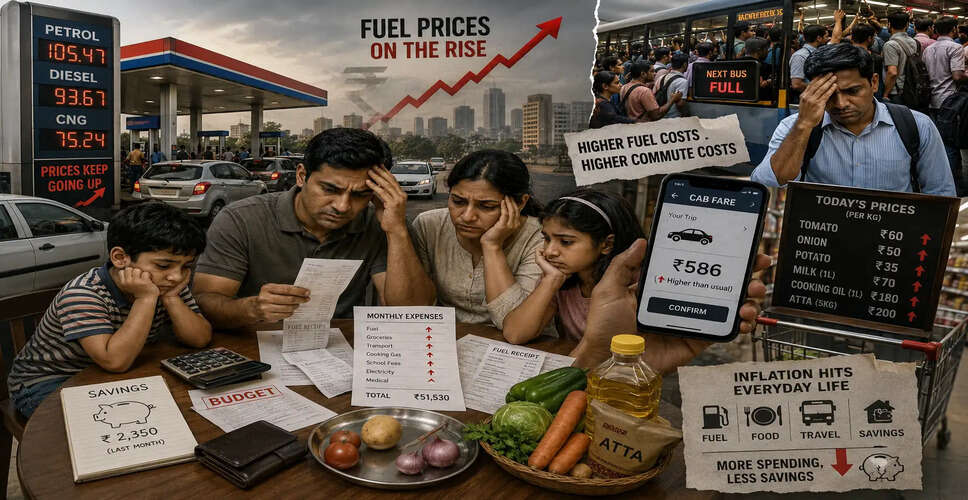

Fuel Prices Surge in India
In light of the ongoing conflict in Iran, India has experienced its fourth consecutive increase in petrol and diesel prices within a span of less than two weeks. The cost of fuel has risen by approximately Rs 7.5 per litre, pushing petrol prices above the Rs 100 threshold in all major metropolitan areas. The government has raised fuel prices to mitigate losses stemming from escalating crude oil costs, with the first increase occurring on May 15 at Rs 3 per litre, followed by a 90 paise hike on May 19, and another increase on Saturday.
Impact on Daily Expenses
Daily Household Bills:
The rise in fuel prices is expected to affect everyday expenses, including food delivery, groceries, and dining out. Transportation costs associated with essential goods are also likely to increase, adding financial strain on consumers and elevating overall living expenses. As fuel prices rise, the cost of daily necessities such as staples and packaged foods may also see an uptick.
FMCG companies are already feeling the pressure from the Iran conflict, as noted by industry leaders, which may lead to selective price adjustments or reductions in product sizes.
Transportation Costs on the Rise
Transportation to Get Costlier:
Your daily commute, whether for work or other necessities, is set to become more expensive due to the fuel price hikes. The transportation of various commodities will also be affected, as fuel constitutes over half of truck operating expenses. Consequently, freight charges are expected to rise. Traders at Delhi’s Azadpur mandi have already expressed concerns regarding the price increases.
Reports indicate that the heightened operating costs are disrupting delivery schedules and diminishing overall efficiency in supply chains and last-mile distribution.
Broader Economic Implications
Overall Impact on Economy:
Regarding the fuel price increases, the Union Finance Minister commented that prices could have been raised by Rs 10 earlier, but the government had absorbed the costs for 76 days during the ongoing conflict before implementing the first hike. She emphasized the need for India to monitor the "three Fs": fuel, fertilizer, and forex, as the Iran crisis continues to affect global markets and domestic prices.
The Managing Director at Flexi Capital noted that rising fuel costs could exacerbate inflation beyond just energy prices, with global crude prices remaining high, potentially keeping inflation near the upper limit of the RBI’s target range of 2-6%. An economist and founder of Nikore Associates highlighted that the current fuel price situation presents a challenging fiscal outlook, with the government previously incurring losses of nearly Rs 1,000 crore daily on fuel subsidies.