
India Declines Russian LNG Offer Amid Geopolitical Tensions

India's Decision on LNG Purchases
According to a report by Reuters, India has turned down an offer from Russia to acquire liquefied natural gas (LNG) cargoes that are currently subject to US sanctions. This decision comes at a time when geopolitical tensions in the Middle East are impacting global energy markets, putting additional pressure on countries reliant on fuel imports.
This situation underscores India's careful strategy to secure energy supplies while avoiding potential risks associated with sanctioned trade routes. Despite India's significant reliance on imported energy, officials are cautious about engaging in LNG shipments that may attract scrutiny from US regulators.
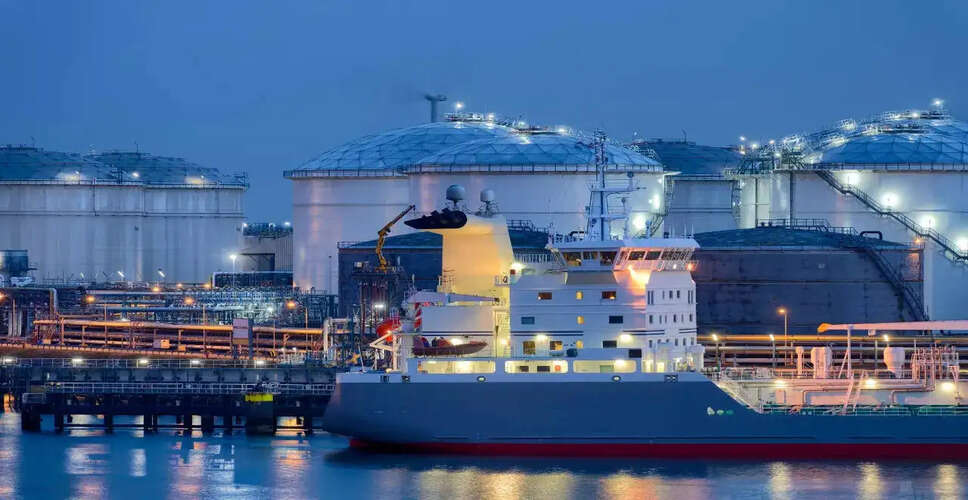
One LNG cargo from Russia's Portovaya facility in the Baltic Sea has become stranded as discussions continue regarding which shipments India can legally accept. Initially, the vessel was headed for India but is now adrift near Singaporean waters without a confirmed destination, as per shipping data.
During a visit to India on April 30, Russian Deputy Energy Minister Pavel Sorokin was informed by Indian officials of their reluctance to purchase sanctioned LNG. Sorokin's visit included a meeting with Petroleum and Natural Gas Minister Hardeep Singh Puri, marking the second round of discussions between the two nations in a short span.
While India is open to acquiring Russian LNG that is not under sanctions, most of these supplies are already committed to European buyers. In contrast, China continues to import both sanctioned and non-sanctioned Russian LNG.
Moscow is also seeking to establish broader long-term trade agreements with India, which include LNG supply contracts and the export of fertilizers such as potash, phosphorus, and urea.
Impact of Middle East Tensions on India's Energy Strategy
Prior to the conflict in Iran that disrupted shipping through the Strait of Hormuz, India was importing nearly half of its natural gas needs, with about 60% of those supplies transiting through this vital waterway. Additionally, over half of India's crude oil imports also relied on this route.
In light of these developments, Prime Minister Narendra Modi has recently called on citizens to minimize fuel consumption and conserve foreign exchange. He has encouraged working from home when feasible, reducing foreign travel, and cutting back on imports of non-essential goods like gold and edible oils.