
India and US Set to Resume Bilateral Trade Agreement Talks

Resumption of Trade Negotiations
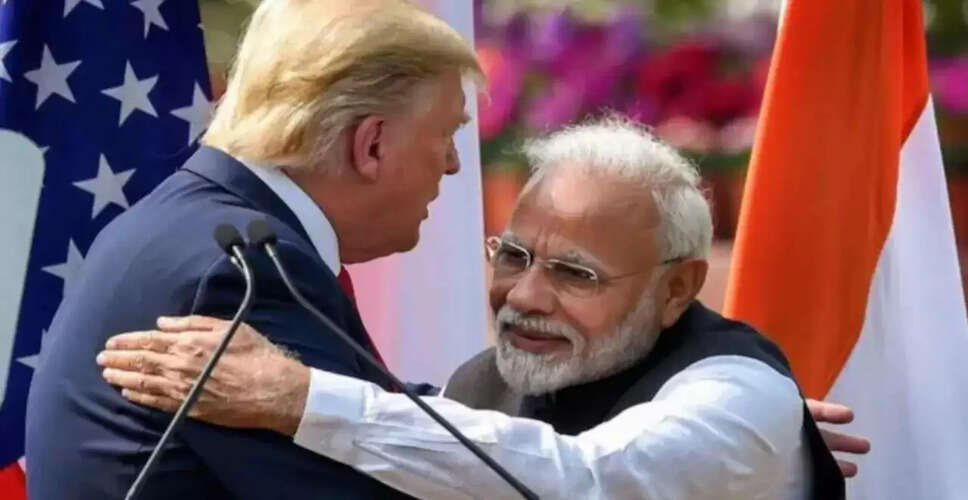
India and the United States are gearing up to restart discussions on a proposed bilateral trade agreement (BTA) starting Monday, following a delegation from New Delhi's arrival in Washington last week. The negotiations, set to take place from April 20 to 22, will be the first round since talks were paused earlier this year. Leading the Indian delegation is Darpan Jain, the chief negotiator and additional secretary in the Department of Commerce, along with officials from the customs department and the Ministry of External Affairs.
An official confirmed, "The meeting will occur from April 20-22 in Washington DC, with Darpan Jain at the helm. The team includes officers from customs and the external affairs ministry." This round of discussions comes after significant changes to the US tariff structure. A pivotal moment was marked by the US Supreme Court's decision to invalidate reciprocal tariffs established under the 1977 International Emergency Economic Powers Act. Consequently, the US government introduced a temporary flat tariff of 10 percent on imports from all nations, effective for 150 days starting February 24.
These developments disrupted previous timelines, leading to the postponement of a February meeting between negotiators. With the new tariff framework in place, both parties are expected to revisit and revise aspects of the previously drafted agreement, which was finalized and made public on February 7. Officials indicate that India's earlier advantage under differentiated tariff rates has diminished, prompting necessary adjustments to the agreement.
Wider Trade Issues on the Agenda
In addition to tariff-related matters, the upcoming discussions are anticipated to address ongoing investigations initiated by the US Trade Representative under Section 301. India has contested these investigations, asserting they lack adequate justification and has called for their cessation. The negotiations are occurring amidst significant shifts in global trade dynamics involving the US, leading various countries to reevaluate their trade strategies.
Recent statistics also reveal changing trade patterns for India. China has now become India's leading trading partner for the financial year 2025-26, surpassing the United States, which held the top position for four consecutive years until 2024-25. Meanwhile, India's exports to the US experienced a slight increase of 0.92 percent, totaling $87.3 billion in the last financial year. In contrast, imports from the US surged by 15.95 percent to $52.9 billion, resulting in a narrowed trade surplus with the US of $34.4 billion in 2025-26, down from $40.89 billion the previous year.