
India and Russia Set Ambitious Trade Goals: Aiming for $100 Billion by 2030
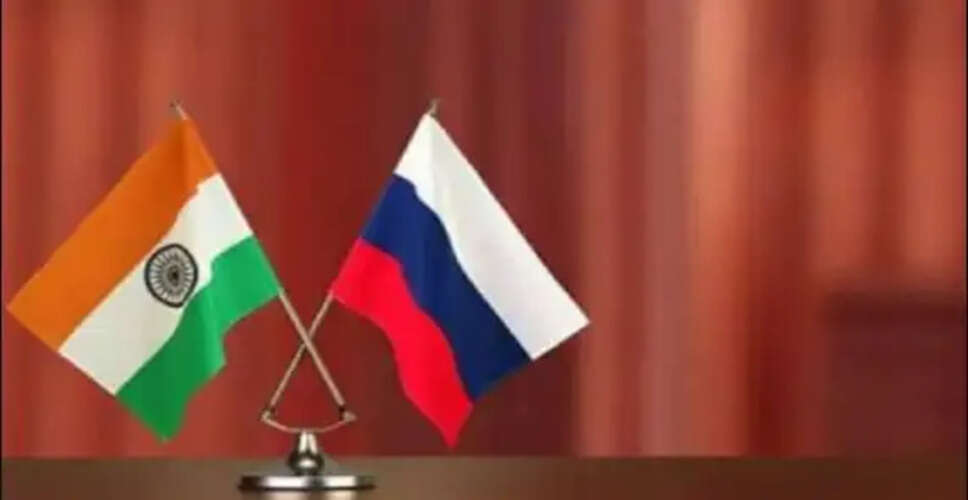

Strengthening Bilateral Ties
Moscow/New Delhi: Prime Minister Narendra Modi and President Vladimir Putin of Russia have instructed their respective governments to enhance bilateral collaboration, with a target to elevate trade between the two nations to USD 100 billion by the year 2030, as stated by Ambassador Vinay Kumar.
In a recent interview with a Russian news outlet, Kumar revealed that the leaders engaged in discussions covering the full spectrum of their bilateral relationship during the BRICS summit held in New Delhi on September 12-13.
Kumar highlighted that a significant outcome of their cooperation was the joint participation of both leaders in the BRICS business summit, along with a visit to the Innoprom-India exhibition, marking the first Russian industrial showcase in New Delhi.
The leaders have tasked relevant ministries and agencies to further enhance cooperation, particularly in the realms of trade and commerce.
Kumar emphasized that India and Russia are committed to achieving a bilateral trade target of USD 100 billion and a two-way investment goal of USD 50 billion by 2030.
Regarding labor collaboration, Kumar mentioned India's intention to provide Russia with the necessary skilled workforce to meet its demands.
He noted that Indian workers represent approximately 25 to 30 percent of Russia's foreign labor quota.
Kumar pointed out that with a population nearing 1.5 billion, India is poised to become a global hub for skilled labor.
The average age of India's workforce is 29 years, and workers constitute about 69 percent of the population.
India not only trains specialists for its domestic market but also prepares them for international employment. Kumar added that New Delhi has proposed that Russia either establish educational institutions in India or partner with existing Indian institutions to train workers required by Russian industries.