
Improved LPG Supply Eases Industrial Challenges Across the Nation
Resurgence of Commercial LPG Supply
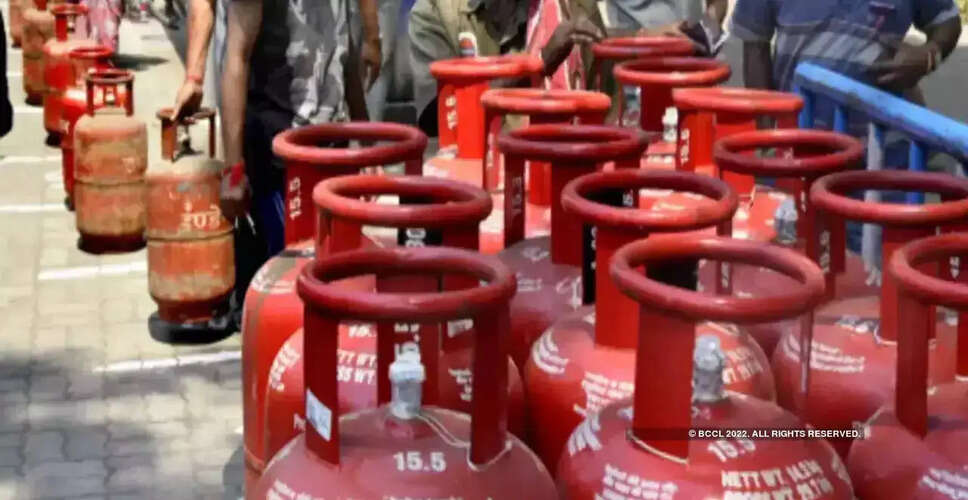
The critical shortage of commercial LPG that has significantly impacted industries nationwide is finally starting to improve. Following weeks of disruption due to the ongoing conflict in West Asia and issues in the Strait of Hormuz, the government has ramped up the supply of commercial LPG. The allocation has been increased by an additional 20 percentage points, bringing it to 70% of pre-crisis levels.
Key industries such as steel, automobiles, textiles, dyes, chemicals, and plastics have been prioritized by the government due to their substantial workforce and interconnections with other sectors. Many factories are now reporting a gradual return to normal operations. Kamal Nandi, who leads the appliances division at Godrej Enterprises, mentioned, “Previously, we had visibility of only one or two days. Now, it has improved to about a week.” He noted that production is currently at full capacity without significant labor or raw material issues.
In the automotive sector, supply challenges among smaller vendors are beginning to ease. Larger manufacturers have mitigated damage by utilizing alternative fuels when possible. Mayank Shah from Parle Products stated that the enhanced availability of LPG is aiding previously affected plants in returning to near-normal production levels. Ajay DD Singhania, CEO of Epack Durable, observed that supplies have rebounded to nearly 60% and are expected to reach around 80% this week.
A positive development is the return of migrant workers. Many had previously left or ceased coming to work due to food shortages and inflated black-market LPG prices that forced small eateries and mess facilities to close. Companies have begun providing canteen meals and offering incentives of up to Rs 5,000 to retain their workforce, leading to a significant improvement in attendance.
While operations are stabilizing, some companies acknowledge that production losses incurred over the past three to four weeks cannot be recovered. The government's initiative to boost commercial LPG supply and prioritize essential sectors seems to be effective. However, the situation remains precarious and could change rapidly if the conflict in the Middle East escalates. For now, both factories and workers are experiencing relief as normalcy gradually returns to industrial regions.