
Impact of US-Iran Tensions on India's Fuel Prices and Economy

Understanding the Current Oil Price Surge
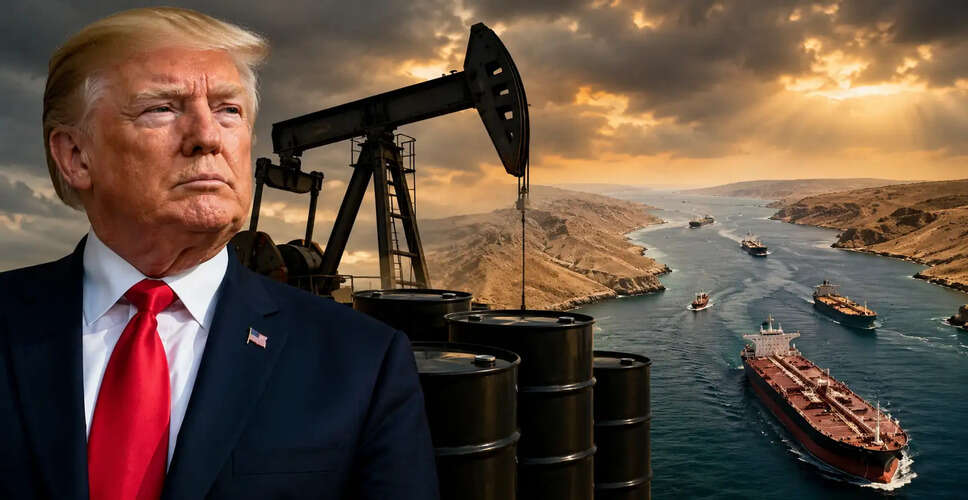
With the recent escalation in tensions between the US and Iran, coupled with rising concerns regarding the Strait of Hormuz, oil prices have seen a significant increase, leading to volatility in stock markets. What implications does this have for India? Senior Economist Mitali Nikore shares her insights in an exclusive discussion.
Q. Mitali, how does this escalation affect India's fuel prices and inflation in the short term?
A. Sakshi, the Indian government has adeptly navigated this situation, effectively shielding the economy from the full impact of fluctuating fuel prices on inflation. Just last week, many were questioning the lack of reductions in fuel prices. The Ministry of Petroleum indicated a cautious approach, and their strategy has proven effective as oil prices have surged again. Fuel prices in India were only raised once in late April, and now the market is adjusting accordingly. Although inflation spiked, it is now stabilizing rather than continuing to rise, indicating a thoughtful management of retail fuel prices by the government amidst global crude price fluctuations.
Q. Mitali, is India in a better position now compared to the onset of the West Asia conflict and previous oil crises?
A. Absolutely, Sakshi. There is no question about it. The management strategies are being implemented effectively on both the demand and supply fronts. On the supply side, nearly half of our crude imports came from Russia in June, and we are actively diversifying our sources by establishing long-term agreements with various suppliers in Latin America and Africa. This diversification helps reduce the overall cost of our fuel consumption relative to global prices. On the demand side, initiatives like the recent Delhi EV policy, the nationwide rollout of the ethanol blending program, and the expansion of rooftop solar projects are contributing to a gradual transition towards renewable energy sources. Overall, we are significantly better prepared now than before.