
Impact of Trump's Tariff on India's Steel and Aluminum Exports
Trump's Tariff Decision
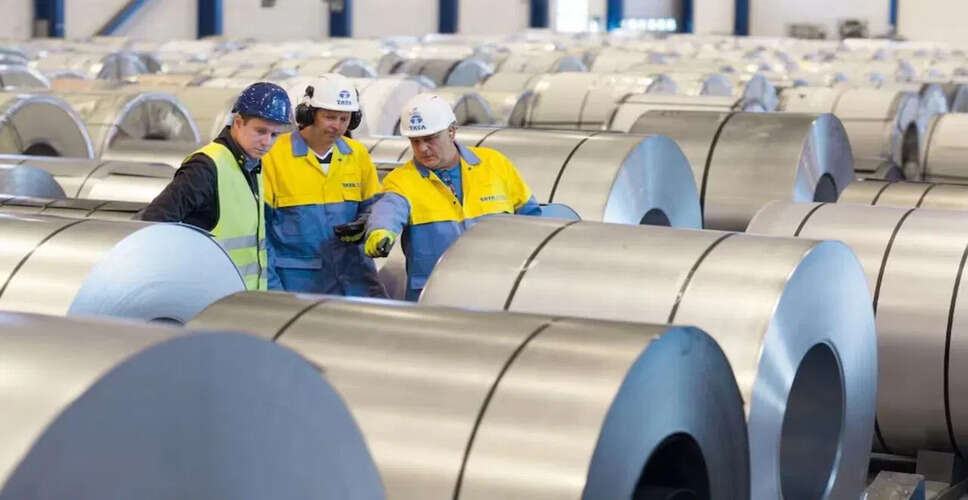
Donald Trump has announced a 50% tariff on steel and aluminum products in the United States, which could significantly affect India's exports, local manufacturing, pricing, and trade dynamics. Currently, Indian steel companies do not seem to be facing immediate adverse effects. However, experts caution against underestimating the potential for dumping from China and other nations. Analysts note that direct steel exports from India to the U.S. are relatively limited.
Concerns for Indian Industries
The real concern for India may lie in products made from iron or steel, such as automobiles, auto parts, and engineering goods. The indirect impact of these tariffs could become significant in the future. This tariff policy has the potential to alter the global trade landscape, presenting new challenges for exporters from India and other countries.
Effects on Indian Exports
The United States is a crucial export market for India. The imposition of a 50% tariff on steel and aluminum products may lead to a decline in exports from India to the U.S., as American importers will find these products more expensive. Consequently, the competitiveness of India's steel and aluminum sectors could be compromised, resulting in decreased demand for their products.
Local Manufacturing and Pricing Implications
The primary goal of this tariff is to bolster local manufacturing in the U.S., benefiting domestic producers. However, this could lead to increased prices for steel and aluminum in the U.S., which may raise production costs across various industries. Ultimately, this could result in higher prices for consumer goods.
Impact on Trade Diversion
Exporters from India and other nations may need to adjust their trade routes due to the new tariff policy. They might shift their focus to other countries or regions where tariffs are lower or nonexistent. This could lead to changes in the flow and competitive patterns of global trade.