
Impact of the Iran War on Silver Prices: A Deep Dive
The Economic Fallout Post-Iran War
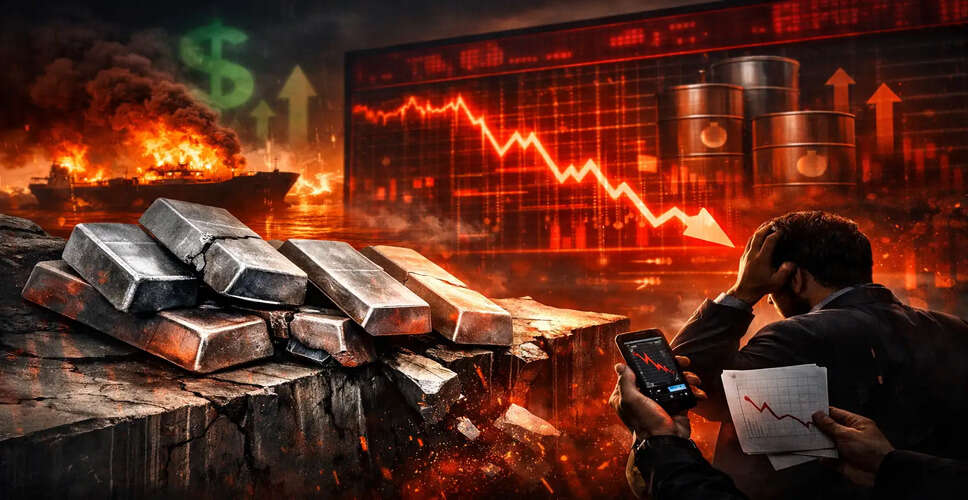
The global economy faced significant challenges following the Iran War, particularly due to the blockade of the Strait of Hormuz, a crucial trade route. Crude oil prices soared past the $100 per barrel mark, creating difficulties for oil marketing firms as they struggled with escalating fuel costs. In this turbulent environment, silver, which serves both as a precious metal and an essential industrial commodity, also experienced a downturn. Over the 35 days of the conflict, silver prices in India plummeted by approximately 17%, contradicting its usual status as a safe haven. Data indicates that prices dropped from around Rs 2.95 lakh per kg on February 28, the first day of the Iran War, to nearly Rs 2.45–2.50 lakh per kg by April 3, marking one of the most significant declines in recent times. This drop followed an initial surge in early March when silver prices peaked at nearly Rs 3 lakh per kg.
On Thursday, following US President Donald Trump’s assertive comments regarding Iran, which dampened hopes for de-escalation, silver prices in India fell sharply by 5.5% on the MCX. This decline saw silver drop nearly Rs 14,000, bringing it down to around Rs 2.29 lakh per kilogram. Earlier this year, silver futures had reached an all-time high of Rs 4,20,048 per kilogram on January 29. The surge in crude oil prices has raised inflation concerns, leading to speculation that major central banks, including the US Federal Reserve, might postpone rate cuts, thereby strengthening the dollar. This scenario diminishes the attractiveness of non-yielding assets like silver. Additionally, worries about industrial demand have impacted silver prices, as the metal is extensively utilized in electronics, solar energy, and healthcare due to its excellent electrical conductivity, reflectivity, and antibacterial properties.
Future Outlook for Silver Prices
What Lies Ahead for Silver?
The future of silver prices is expected to be influenced by various factors and developments. Key elements include fluctuations in the US dollar, bond yields, and crude oil prices. The ongoing Iran War will significantly impact silver prices, shaping the global business landscape in the near term. Signals from the US Federal Reserve will also play a crucial role in determining silver's trajectory. Demand from the manufacturing and technology sectors is vital, and analysts suggest that supply disruptions or increased demand could drive silver prices higher. Conversely, if global growth slows, industrial demand may weaken, leading to a more gradual increase in silver prices.