
Impact of Rising Fuel Prices on India's Hospitality Sector
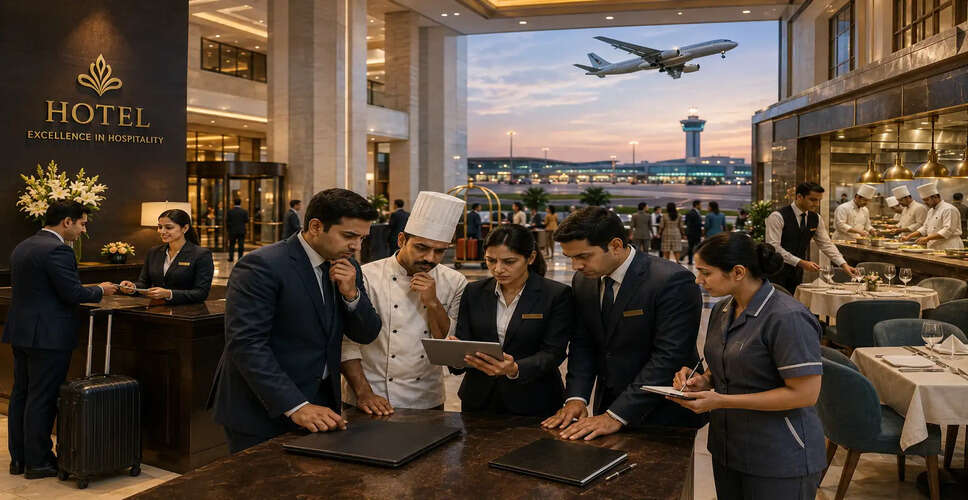

Challenges Facing India's Hotel and Hospitality Industry
The hotel and hospitality industry in India is starting to feel the strain from escalating fuel prices, particularly the costs associated with aviation turbine fuel (ATF), alongside disruptions stemming from the ongoing crisis in West Asia. This has led to a noticeable decline in hotel bookings across various locations. K.B. Kachru, the President of the Hotel Association of India (HAI), shared insights with a digital news platform, stating, “Geopolitical tensions are affecting nearly every sector. An increase in travel expenses due to rising fuel prices could undermine consumer confidence and reduce tourism demand.”
Kachru pointed out that the conflict in Iran, along with airspace disruptions and fluctuations in crude oil prices, has already begun to influence travel sentiment and hospitality demand in specific areas. “Currently, we are observing a slowdown of about 10-15 percent in certain locations,” he noted. He also mentioned that the meetings, incentives, conferences, and exhibitions (MICE) sector is experiencing some reluctance, as companies reconsider their travel and event strategies in light of geopolitical uncertainties.
Kachru acknowledged that India has managed the situation relatively well compared to many other nations, although the hospitality sector remains cautious due to the unpredictability of global energy markets and travel disruptions. He commended the government for effectively addressing the rising ATF costs, recognizing their potential impact on both outbound and inbound tourism.
Impact on Smaller Hotels and Restaurants
Small Hotels, Restaurants Hit by LPG Supply Disruptions
Kachru further emphasized the challenges faced by smaller restaurants and independent hotels that rely heavily on commercial LPG. He noted that these establishments experienced supply disruptions and concerns during the initial stages of the Iran conflict. “There were days when smaller restaurants faced irregular LPG supply. While the situation has improved significantly, uncertainty still lingers,” he explained. He also highlighted that rising petrol and diesel prices are contributing to increased domestic travel costs, which in turn affects tourism sentiment.
Kachru pointed out the positive step taken by states like Delhi and Maharashtra in reducing VAT on aviation turbine fuel, which supports the aviation and tourism sectors.
Domestic Tourism as a Buffer
Domestic Tourism Cushioning the Impact
India's robust domestic tourism market is providing some relief to the hospitality sector. “The country heavily relies on domestic tourism, and the government has been promoting travel within India. The growth in domestic travel is expected to help mitigate the slowdown observed in certain international and business travel segments,” he stated. Kachru emphasized the need for India to actively promote inbound tourism to enhance foreign exchange earnings and realize the sector's full potential. “We must improve our marketing and branding efforts, as there is a significant gap between our current achievements and what we can accomplish,” he added.
Addressing the challenges, Kachru mentioned that the hospitality industry is also grappling with rising operational costs, particularly in energy, raw materials, and employee salaries. “The hotel sector is capital-intensive, with major expenses related to human resources and energy. Inflation in food and beverage procurement is further squeezing profit margins, especially since food and beverage revenues now account for nearly half of hotel earnings in many establishments,” he noted.
Another significant challenge is the shortage of skilled labor. Currently, India has just over 200,000 branded hotel rooms, while demand far surpasses supply, putting pressure on the talent pipeline. “We need skilled professionals to support this growth,” he remarked. Regarding potential increases in room rates due to rising fuel and operational costs, Kachru indicated that pricing would ultimately be influenced by market dynamics. “When operational and investment costs rise, the industry must respond accordingly,” he concluded.