
Impact of Iran Conflict on India's Aviation and Tourism Sectors

Significant Losses Expected in Aviation
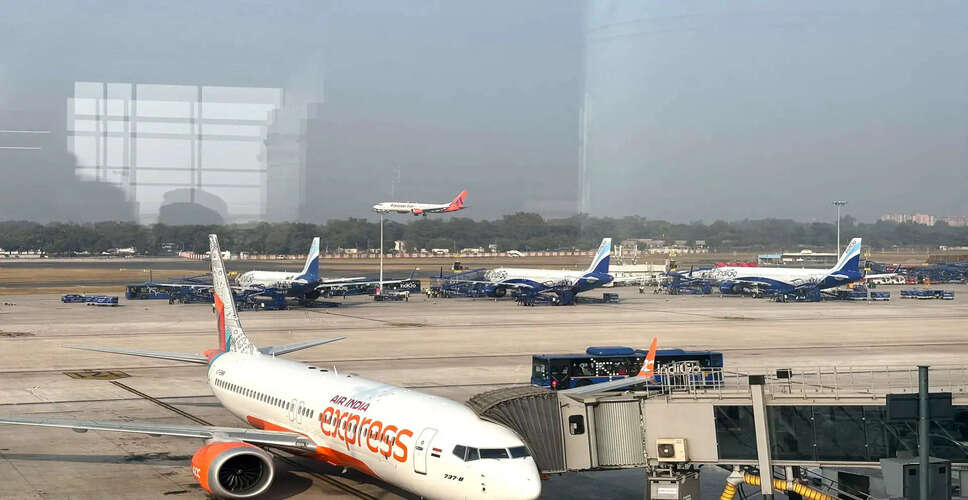
The ongoing conflict in Iran is projected to have a considerable impact on India's aviation industry, potentially resulting in losses amounting to ₹18,000 crore and a notable 15-20% decrease in inbound tourist numbers. This information comes from a report released by the PHD Chamber of Commerce and Industry (PHDCCI), titled ‘Impact of the West Asia Conflict on India’s Tourism, Aviation & Hospitality Sectors’. The report indicates that disruptions in flight operations, changes in travel preferences, and escalating costs are contributing to these losses, despite some support from domestic demand.
“The ongoing disruptions have extended flight durations by 2-4 hours on major routes, resulting in increased fuel consumption and operational expenses. Industry estimates suggest that fuel constitutes 35-40% of airline operating costs, and the current situation has further challenged airline profitability. The interruption of air corridors in the Middle East, which are among the busiest transit routes globally, has diminished connectivity efficiency and driven up airfares,” the report elaborated.
Decline in Inbound Tourism
Inbound tourism has slowed:
The report emphasizes a slowdown in India's inbound tourism, particularly affecting the leisure sector. Global travelers are adopting a more cautious approach due to geopolitical tensions, leading to an anticipated 15-20% drop in foreign tourist arrivals. Additionally, outbound travel trends are shifting, with Indian tourists favoring short-haul destinations like Thailand, Singapore, and Vietnam, while interest in long-haul routes and complex itineraries has decreased.
To alleviate these impacts, the report recommends various strategies, such as diversifying air routes, enhancing connectivity, rationalizing taxes on aviation fuel and hospitality services, and extending financial assistance to micro, small, and medium enterprises (MSMEs).
Hospitality Sector Under Pressure
Hospitality sector feel the heat:
In the hospitality industry, domestic travel demand is helping maintain occupancy rates; however, rising energy costs, increased input prices, and fluctuating international demand are squeezing profit margins, particularly in the premium and business hotel segments. The restaurant and food services sector is also encountering difficulties, with approximately 10% of restaurants reported to have closed and a monthly revenue decline of ₹79,000 crore.
Input costs have surged by 10-15% due to higher prices for imported ingredients, logistics, and energy. While domestic demand and food delivery services, which account for 20-30% of revenues, are providing some stability, profitability remains under strain, especially for smaller and mid-sized businesses.