
Impact of Geopolitical Tensions on India's Basmati Rice Exports
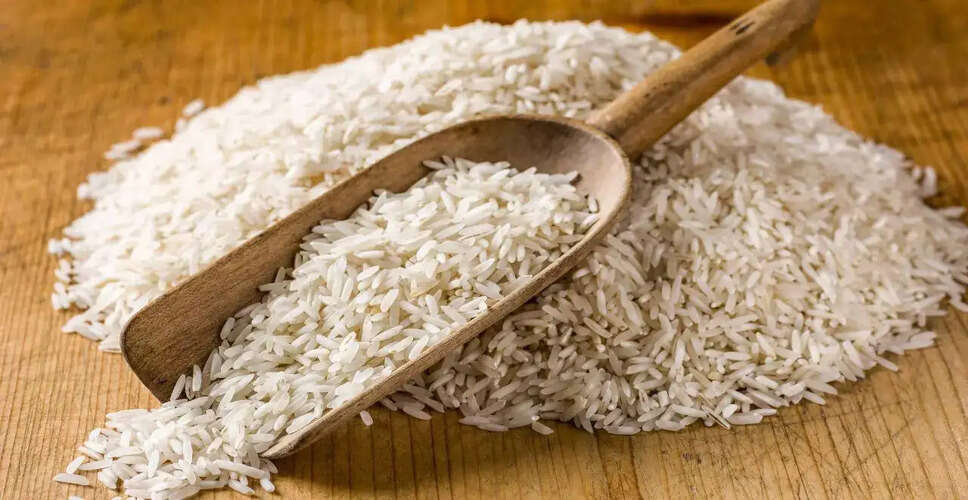
Basmati Rice Export Crisis Amid West Asia Conflict
The flourishing basmati rice export sector in India faces a significant setback due to the ongoing conflict in West Asia, which has disrupted trade routes, delayed shipments, and halted payments. This situation has left exporters, millers, and farmers in a state of crisis, impacting a sector that contributes nearly $6 billion to the nation's export economy annually. In Madhya Pradesh's Raisen district, a crucial area for basmati production, the effects are particularly pronounced. Mills that previously operated continuously during peak export times are now inactive. This period, usually characterized by substantial shipments to Gulf nations in anticipation of Ramzan and Eid, has turned into a time of uncertainty and financial strain.
India exports over 6 million metric tonnes of basmati rice each year, holding a significant share of the global market. Almost half of these exports are directed towards West Asian countries, including Saudi Arabia, Iran, Iraq, and the UAE. This reliance has now become a liability as geopolitical tensions disrupt logistics and demand.
Exporters have reported that shipments are currently stalled at various points, including warehouses and ports. Freight costs have skyrocketed, increasing from approximately $2,500 per container to between $7,000 and $9,000, while the availability of containers has diminished. Additionally, insurance coverage has tightened, and shipping routes have become increasingly erratic, exacerbating the crisis.
Currently, around 1 million tonnes of processed basmati rice are stranded across India. Unlike other commodities, premium basmati varieties like 1121 cannot be easily redirected to different markets due to varying consumer preferences in regions such as Europe, the US, and Africa, leaving exporters with few alternatives.
The financial pressure is escalating quickly. Exporters are facing frozen working capital, soaring logistics expenses, and increasing debt. A businessman from Bhopal emphasized the gravity of the situation, noting that large quantities of premium 1121 basmati rice are stuck at ports. He indicated that payments ranging from ₹2,000 crore to ₹25,000 crore are currently frozen, creating significant liquidity issues for traders.
The repercussions are also beginning to affect farmers. With procurement slowing and mills ceasing operations, future planting decisions may be influenced. If the crisis continues, farmgate prices could decline, impacting both income and production cycles.
While the government is considering measures to alleviate the situation, the outcome largely hinges on the evolution of geopolitical tensions. Until stability is restored, India's basmati export sector remains in limbo, with stakeholders across the supply chain hoping for a quick resolution to reinstate trade and financial stability.