
Impact of a Stable Rupee on India's Economy and Trade

The Importance of a Stable Rupee
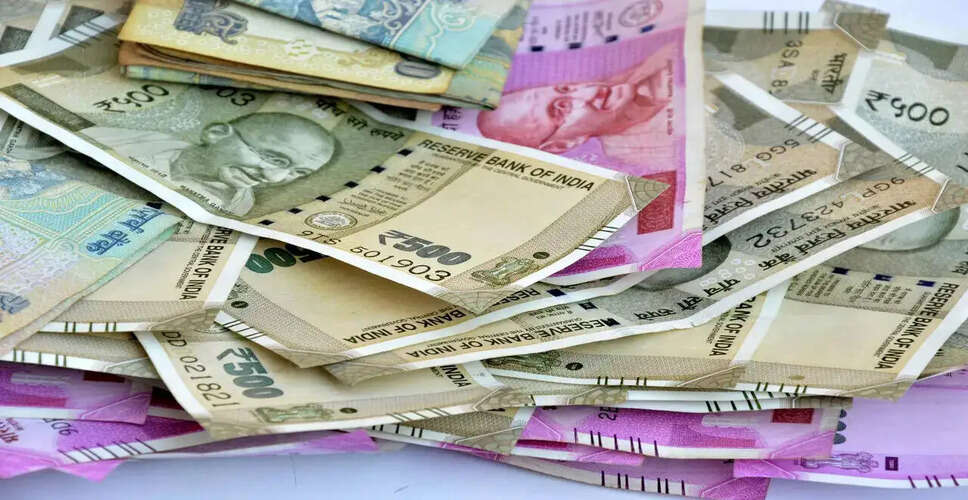
A stable rupee is crucial for economic certainty, aiding in financial planning and benefiting sectors sensitive to imports. Experts suggest that a consistent currency not only lowers import costs but also empowers exporters to secure long-term contracts, ultimately reducing inflation and enhancing purchasing power over time. During the recent conflict in West Asia, the Indian rupee depreciated by approximately 7% against the US dollar, reaching over 97 rupees per dollar at its lowest point, primarily due to soaring oil prices impacting the currency.
In May 2026, India's goods exports surged by 18%, marking the highest increase in six months. Analysts attribute this growth largely to the weaker rupee, which made Indian products more competitive internationally. Senior Economist Mitali Nikore noted, "India’s goods exports reached a six-month peak of $45.2 billion in May, with the depreciating rupee playing a significant role. The lower currency value made Indian goods more affordable in global markets, preventing a collapse in exports during the West Asia crisis, particularly in electronics and petroleum sectors. However, this weaker rupee also escalated the import costs, contributing to a widening trade deficit of $28.2 billion."
Commerce Secretary Rajesh Agarwal mentioned that many trade-related issues could improve significantly if a peace agreement is reached and maintained. Nonetheless, experts emphasize that trade reforms are essential for sustainable export growth. Nikore added, "With the US-Iran peace framework and the reopening of the Strait of Hormuz, crude prices have stabilized, and the rupee has strengthened to a seven-week high of around 94.5 per dollar. The outlook suggests a more stable and stronger rupee as the pressure from oil imports diminishes. While a weak rupee can temporarily boost exports, long-term growth will rely on easing trade barriers and achieving a more stable external environment, rather than solely on currency fluctuations."