
IMF Advocates for Rupee Flexibility Amid Energy Crisis
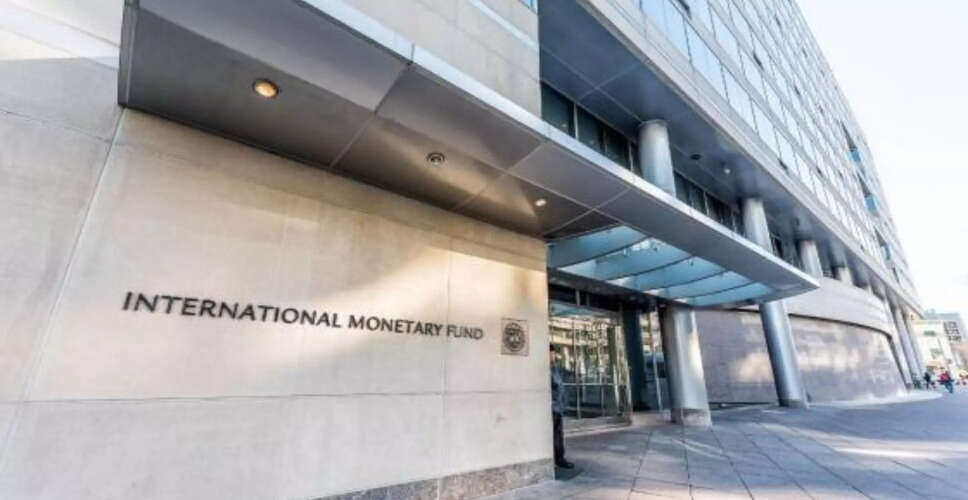

IMF's Stance on India's Economic Strategy
Representational Image
Washington, Oct 31: The International Monetary Fund (IMF) has emphasized that the Indian rupee should serve as the primary defense mechanism against the energy crisis stemming from the ongoing conflict in the Middle East. This statement indicates a preference for allowing the currency to fluctuate rather than relying heavily on interventions by the central bank, while maintaining its growth forecast for India at 7 percent.
During a press briefing in Washington, IMF Communications Director Julie Kozack addressed inquiries regarding the Reserve Bank of India's recent efforts to stabilize the rupee. She reiterated the sentiments expressed by Krishna Srinivasan, head of the Fund’s Asia and Pacific Department.
Kozack stated, “In light of the energy challenges that India is facing, it is crucial for the rupee to act as the first line of defense.” She stressed the importance of permitting the exchange rate to adjust freely to better accommodate these shocks.
She noted that the IMF's recommendations could shift if a depreciating rupee began to trigger widespread inflation. “Should significant depreciation of the rupee result in broad inflationary pressures, we would suggest considering monetary policy adjustments to maintain price stability,” she explained.
While she acknowledged the possibility of intervention, Kozack clarified, “In general, foreign exchange intervention may be warranted when market conditions become chaotic,” aligning with the IMF’s Integrated Policy Framework. However, she reiterated that for India, maintaining exchange rate flexibility is the preferred approach.
On the topic of economic growth, Kozack referred to India as a significant growth engine in the global economy. “We anticipate a growth rate of 7 percent for both FY 2026-2027 and FY 2027-2028,” she noted, attributing this to strong domestic demand and vibrant service sector activity. “India currently exhibits substantial growth momentum,” she added.
She highlighted weather conditions as a potential risk factor, indicating that adverse weather, possibly linked to El Niño, could negatively impact crop yields and economic activity, particularly in rural regions. This could also lead to increased food price inflation, affecting household purchasing power.
“At this moment, these risks have not yet materialized,” she remarked. The IMF plans to update its projections for India in the upcoming January World Economic Outlook report.
Kozack also mentioned that financial conditions for emerging markets remain generally favorable, despite rising bond yields. “Spreads in emerging and developing nations are still relatively low,” she noted, crediting years of efforts by these countries to enhance their economic fundamentals.
Regarding the United States, she commented that the Federal Reserve, under Chairman Kevin Warsh, is “appropriately remaining data-dependent” after maintaining interest rates following a hike in September. She pointed out that US inflation continues to exceed the Fed’s 2 percent target, partly due to the energy price surge from the Middle East conflict.
When asked about the US Treasury's recent statement urging the IMF to refine its focus on global imbalances and debt sustainability, Kozack acknowledged the US as the IMF's largest shareholder, stating, “We appreciate the engagement and perspective of the United States.” She directed further inquiries about the statement's implications to the Treasury.