
How to Avoid Fuel Fraud at Petrol Pumps: Essential Tips
Understanding Fuel Fraud at Petrol Stations
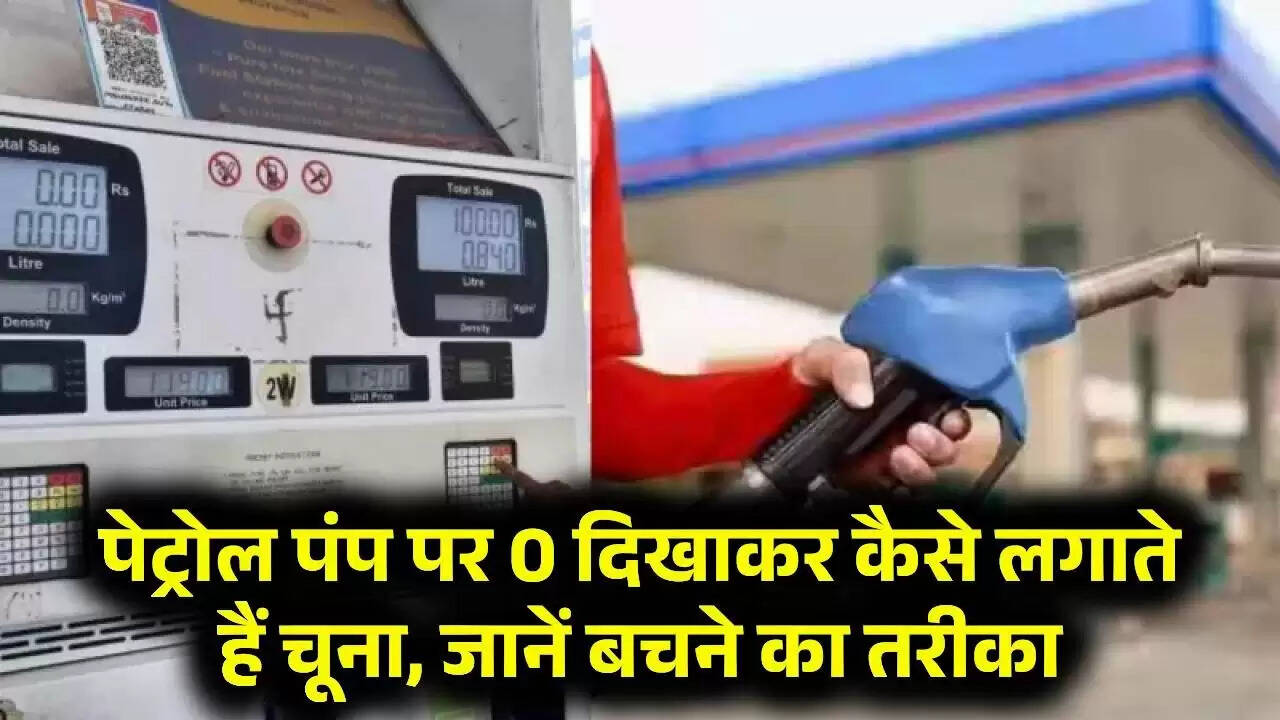
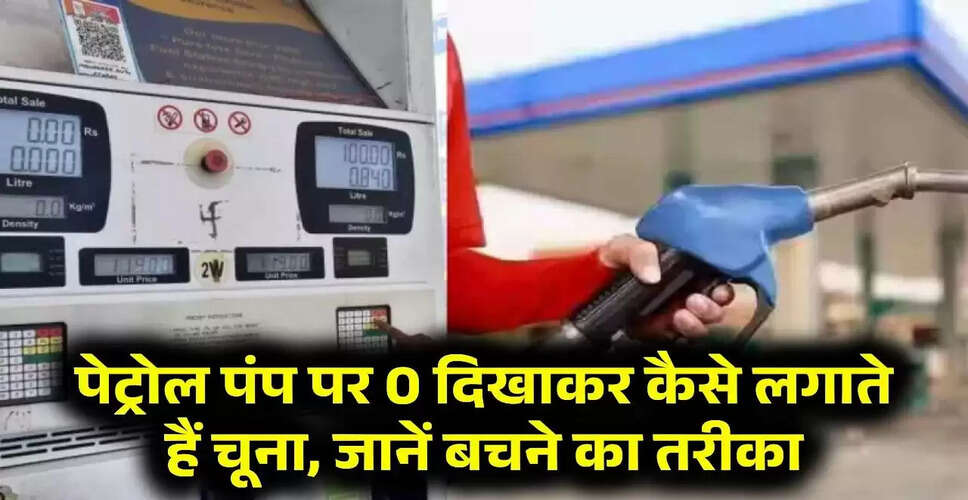
Many individuals have likely encountered or heard about fraudulent activities at petrol stations. Typically, when people go to refuel, they focus intently on the meter reading zero. This focus can be exploited by dishonest operators to deceive customers. It's crucial to remember that if a petrol station attendant asks you to check the zero reading, you should also verify another important aspect to avoid falling victim to fraud.
The Importance of Checking Fuel Density
When refueling, the attendant often prompts you to check the meter's zero reading. This is done to ensure that the meter starts from zero. However, if you overlook the meter and it already shows a pre-existing amount, you could be cheated. But is merely checking the zero reading sufficient to safeguard against fraud? The answer is no; you must also pay attention to the fuel density.
Checking the density of petrol or diesel is just as vital as verifying the zero reading. The density indicates the purity of the fuel. The density of the fuel dispensed at petrol stations should fall within government-regulated limits. If the density is outside these limits, it suggests that the fuel may be adulterated.
What is the Correct Density of Petrol?
The density of petrol should range between 730 to 800 kilograms per cubic meter. If the density falls below 730 kilograms per cubic meter, it indicates possible adulteration with water or other substances, which could lead to financial loss and potential damage to your vehicle's engine.
What is the Density of Diesel?
For diesel, the density should be between 830 to 900 kilograms per cubic meter. If the density is outside this range, it suggests that the diesel may be mixed with inferior substances. Purchasing such diesel not only wastes money but also poses a risk of engine malfunction.
How to Check Fuel Density?
To check the density at a petrol station, locate the density display on the fuel pump machine. Here, you can verify the density reading. If it falls within the specified limits, the fuel is likely genuine. If it deviates from the limits, the fuel may be adulterated.
If you notice any discrepancies in the density, report it immediately to the petrol station staff. If no action is taken in response to your complaint, you have the option to file a case with the consumer forum.