
How Middle East Tensions Could Impact India's Economy: Insights from the Finance Ministry
Economic Implications of Middle East Crisis
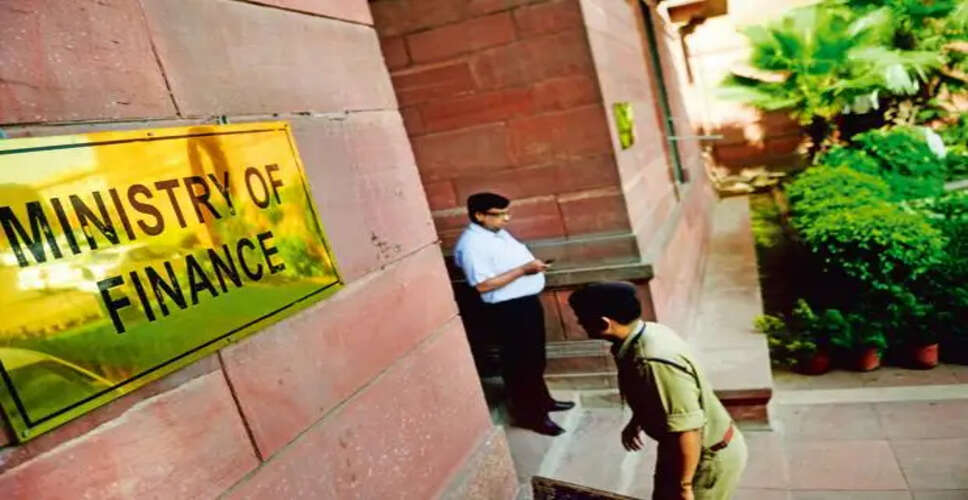
New Delhi: A recent report from the finance ministry has raised alarms about the potential economic fallout from ongoing tensions in the Middle East. The report warns that a prolonged crisis could negatively affect the exchange rate and lead to inflationary pressures due to rising costs of petroleum products and fertilizers.
The Monthly Economic Review for February highlights that diminished capital flows, driven by a shift towards safer investments, may exert additional pressure on the currency.
The situation escalated following the US-Israel strikes on Iran on February 28, which resulted in the death of Iranian Supreme Leader Ali Khamenei and prompted retaliatory threats. This conflict has disrupted shipping routes through the Strait of Hormuz, a crucial passage for global oil transport, reminiscent of the oil shocks experienced during the Gulf War in 1991.
As a result of these developments, Brent crude prices have surged nearly 9% to around USD 80 per barrel, while LNG prices have increased by approximately 50%.
Despite India's significant reliance on crude oil imports, the report reassures that the country possesses adequate foreign exchange reserves, a low current account deficit (CAD) of 0.8% of GDP for the first half of FY26, and manageable inflation rates. These factors collectively enable India to mitigate the adverse effects of rising global oil prices and maintain domestic energy security.
However, the report cautions that if the crisis continues, it could have serious implications for the exchange rate and current account deficit, potentially exacerbating inflationary pressures, which are currently supported by favorable supply-side dynamics.
The report also notes that subdued capital flows could further strain the currency, particularly affecting sectors reliant on LNG and crude oil, such as fertilizers and petrochemicals.
On a positive note, the Indian economy has shown robust momentum in FY26, with real GDP growth projected at 7.6% and real GVA growth at 7.7%. Economic activities in January 2026 were broad-based, bolstered by strong high-frequency indicators, including logistics activity and expanding PMI indices, indicating sustained demand and growth.
The external sector remains stable, despite uncertainties in global trade. India's proactive trade diplomacy, including advancements in the India-EU FTA, the India-US Interim Trade Arrangement, and the India-Oman CEPA, along with budget initiatives aimed at enhancing trade facilitation and export competitiveness, are expected to diversify export markets and strengthen external resilience in the medium term.
Looking forward, the report emphasizes that the policy framework outlined in the Union Budget 2026-27 serves as a solid foundation for ongoing growth. It combines fiscal consolidation with sustained capital expenditure and targeted initiatives across various sectors, including manufacturing, agriculture, MSMEs, infrastructure, and human capital development. These measures are anticipated to enhance productivity, investment, and employment across the economy.
External factors, such as global growth conditions, trade dynamics, commodity price fluctuations, and geopolitical influences, will continue to shape the economic outlook. Nevertheless, strong macroeconomic fundamentals and ongoing reform efforts position the economy favorably for future expansion.
In light of recent positive developments, including successful trade agreements and consistent growth rates exceeding 7% over the past three years, the real GDP growth forecast for FY27 has been revised upward to between 7% and 7.4%.