
Government Cuts LPG Subsidies Amid Rising Global Fuel Costs
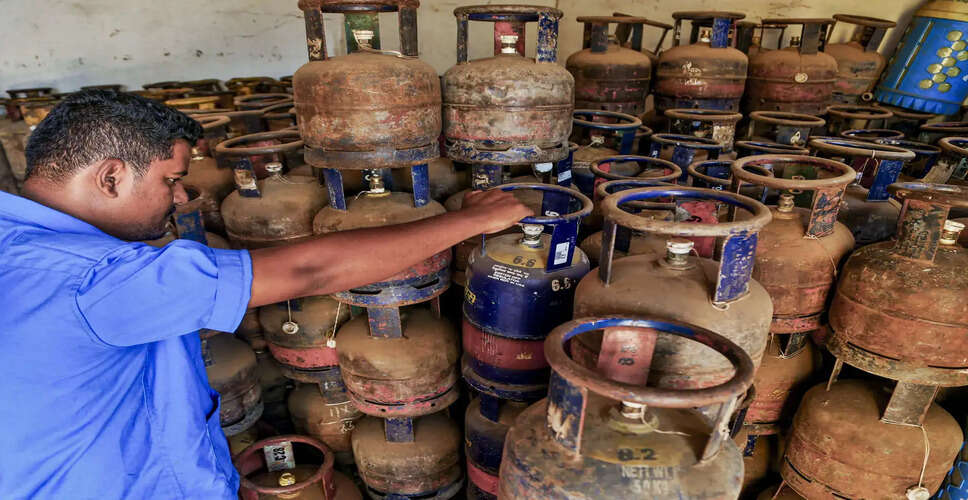

Reduction in Subsidised LPG Cylinders
The Indian Government has announced a significant reduction in the number of subsidised LPG cylinders available under the Pradhan Mantri Ujjwala Yojana (PMUY) scheme, decreasing the limit from nine to four per year. This marks a notable shift, as the initial allocation when the scheme launched was twelve cylinders annually. This adjustment is the first major rollback of a key welfare initiative by the Modi administration in over ten years. According to the Ministry of Petroleum & Natural Gas, the new limit aligns more closely with the average annual consumption of beneficiaries.
However, this decision raises concerns about whether the government's welfare initiatives are straining public finances, especially amid geopolitical tensions. Since its inception in 2016, the PMUY scheme has supported over 10 crore households, with an estimated subsidy allocation of around Rs 12,000 crore for the fiscal years 2025 and 2026. Currently, the government spends approximately Rs 11,000 to Rs 12,000 crore annually on LPG subsidies, alongside an additional Rs 30,000 crore to oil marketing companies to offset losses from selling LPG below market rates, bringing total welfare support to about Rs 41,000 crore. Despite this, oil marketing firms are still facing losses of around Rs 700 per cylinder.
Reports indicate that the Modi Government's welfare schemes incur costs of approximately Rs 4 lakh crore annually across food, fertilizer, and fuel subsidies. A significant fiscal concern for 2026 is the potential increase in oil and fertilizer prices due to ongoing crises in West Asia, which could lead to higher-than-expected government expenditures.
The decision to limit subsidised LPG is largely attributed to escalating global fuel prices amid the conflict in West Asia, as well as efforts to curb misuse of the subsidy scheme and prevent the diversion of cylinders intended for eligible households. While the government asserts that the new subsidy cap reflects actual consumption patterns, experts warn that this change may adversely affect low-income families, particularly in the context of rising inflation.
Last year, India's petroleum import bill reached approximately Rs 20.5 lakh crore, with projections for the current year estimating it at around Rs 22.1 lakh crore, making it a significant factor in the trade deficit. The LPG import bill, combined with subsidy costs, was about Rs 1.1 lakh crore last year and is expected to rise to Rs 1.3 lakh crore this year. Notably, even a $10 fluctuation in crude oil prices can impact India's total import expenses by Rs 1 to 1.5 lakh crore, highlighting the importance of monitoring fiscal risks when planning welfare budgets.