
Government Cuts Fuel Taxes Amid Rising Global Oil Prices: What You Need to Know
Significant Tax Reductions on Fuel Announced
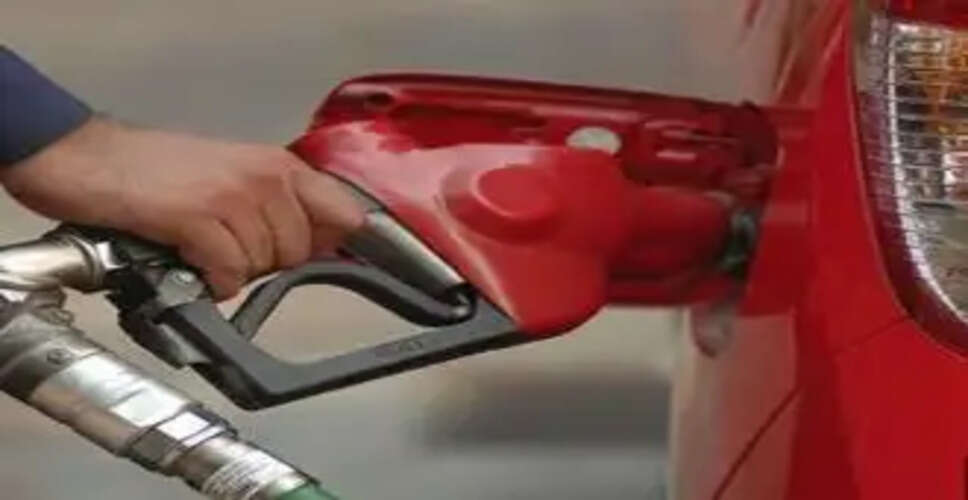
New Delhi: In a move to support oil marketing firms like HPCL, BPCL, and IOC amid escalating global crude prices due to ongoing conflicts in the Middle East, the government has reduced the excise duty on petrol by Rs 3 per litre and completely exempted diesel from excise duty.
According to a notification from the Finance Ministry dated March 26, the excise duty on petrol has been lowered from Rs 13 to Rs 3 per litre, while the diesel levy has been eliminated, dropping from Rs 10.
These changes are effective immediately, as stated by the ministry.
Indian fuel marketing companies have faced challenges as retail prices for petrol and diesel have remained unchanged, despite a nearly 50% increase in international oil prices since February 28, following military actions by the United States and Israel against Iran, which prompted significant retaliation from Tehran.
A report from the rating agency ICRA indicated that if crude oil prices average between USD 100 and 105 per barrel, fuel retailers could face losses of Rs 11 per litre for petrol and Rs 14 per litre for diesel.
Earlier this month, international oil prices peaked at USD 119 per barrel before stabilizing around USD 100.
Currently, a litre of regular petrol in Delhi is priced at Rs 94.77, while diesel is available at Rs 87.67 per litre.
India relies on imports for 88% of its crude oil and about half of its natural gas, primarily sourced through the Strait of Hormuz.
As tensions escalated, Iran blocked this crucial strait, leading insurers to withdraw coverage and effectively stopping tanker movements.
Nayara Energy, which operates 6,967 of India's 102,075 petrol stations, has opted to pass some of the increased input costs onto consumers, with petrol now priced at Rs 100.71 per litre and diesel at Rs 91.31.
Conversely, Jio-bp, a joint venture between Reliance Industries and BP Plc with 2,185 outlets, has not increased prices despite facing substantial losses on fuel sales.
State-owned fuel retailers, which dominate approximately 90% of the market, continue to maintain frozen prices.