
Goldman Sachs Lowers India's Economic Growth Forecast for 2026
Revised Economic Outlook for India
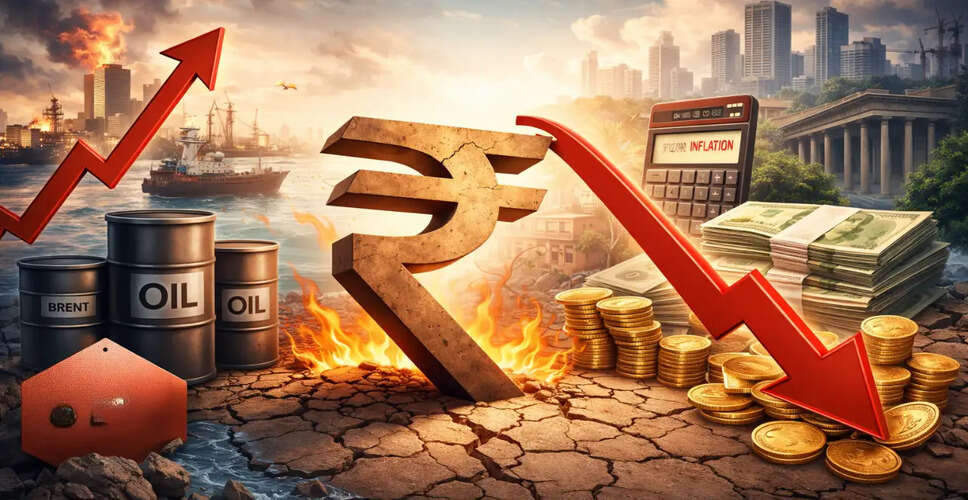
Goldman Sachs has revised its projections for India's economic growth in 2026, indicating that increasing oil prices and a weakening currency could significantly impact the country's expansion. The investment bank now estimates a growth rate of 5.9 percent for the calendar year 2026, a decrease from its previous forecast of 7 percent, which was made prior to the escalation of geopolitical tensions related to Iran. This adjustment marks the second downward revision in a short period, following a previous cut to 6.5 percent on March 13.
The downgrade is attributed to changing expectations regarding global energy markets, especially concerning supply disruptions and high crude oil prices. Given India's heavy reliance on energy imports, these factors present considerable macroeconomic challenges.
Impact of Oil Prices and Supply Disruptions on GDP
A significant reason for the altered outlook is the anticipated disruption of oil shipments through the Strait of Hormuz. Goldman Sachs now predicts that this near-shutdown could last until mid-April, with a return to normalcy taking an additional month. Consequently, Brent crude prices are expected to average $105 per barrel in March, potentially rising to $115 in April. Although prices may decrease later in the year, dropping to around $80 per barrel by the fourth quarter, the immediate surge is likely to strain India's fiscal balance, elevate inflation, and exert pressure on foreign exchange reserves.
Inflation and Interest Rate Projections
Goldman Sachs has also increased its inflation forecast for India in 2026 to 4.6 percent, up from a previous estimate of 3.9 percent. While this remains within the Reserve Bank of India's acceptable range of 2-6 percent, the rise indicates growing price pressures. To mitigate these risks, the bank anticipates a 50 basis point increase in the policy repo rate. Additionally, the weakening rupee poses another challenge, having already fallen 4 percent against the US dollar this year, following a 4.7 percent decline in 2025. Goldman Sachs warns that the impact of currency depreciation on consumer prices could be substantial.
The report also highlights concerns regarding India's external economic position, estimating that the current account deficit may widen to 2 percent of GDP in 2026, compared to 1.3 percent recorded in the October-December quarter of 2025. This potential deterioration is driven by rising import costs and currency pressures.