
Global Central Banks Brace for Rising Oil Prices
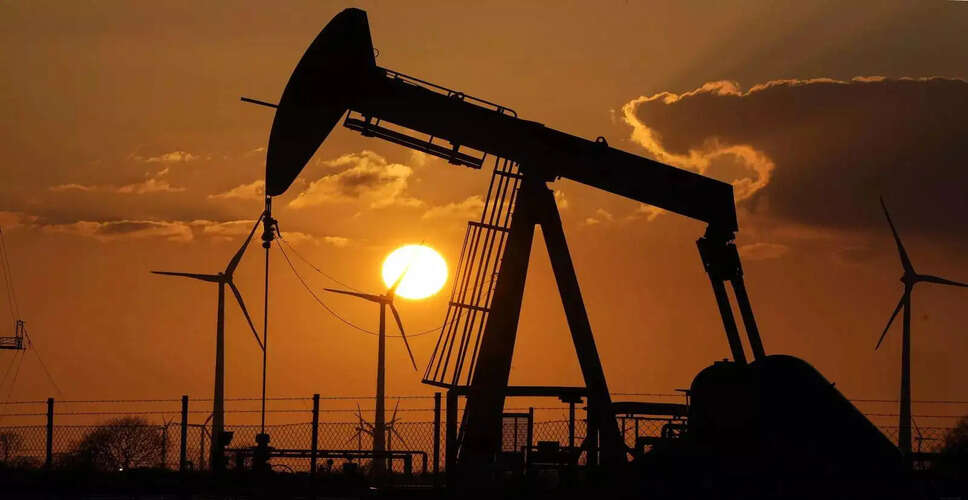

Concerns Over Oil Prices and Inflation
Central banks around the world are increasingly anxious about the implications of oil prices potentially climbing back to $100 per barrel. The Federal Reserve, along with the Bank of England and the Bank of Japan, is expected to adopt varying levels of caution in response to the threat of inflation driven by energy costs. The European Central Bank has also indicated its willingness to raise interest rates again, with market speculation suggesting that such actions could occur as early as September. However, economists remain uncertain about the timing of these moves. Madhavi Arora from Emkay Global noted, "The recent rise in Brent crude prices is influenced not just by the familiar risks associated with the Strait of Hormuz and the recent blockade in the Red Sea, which could redirect up to 4 million barrels per day of Saudi crude exports. With shipping through Hormuz significantly reduced and global inventories already low, any new supply disruptions are intensifying the pressure on prices."