
Electric Vehicles and LNG: A Cost-Effective Shift for Transporters Amid Rising Diesel Prices
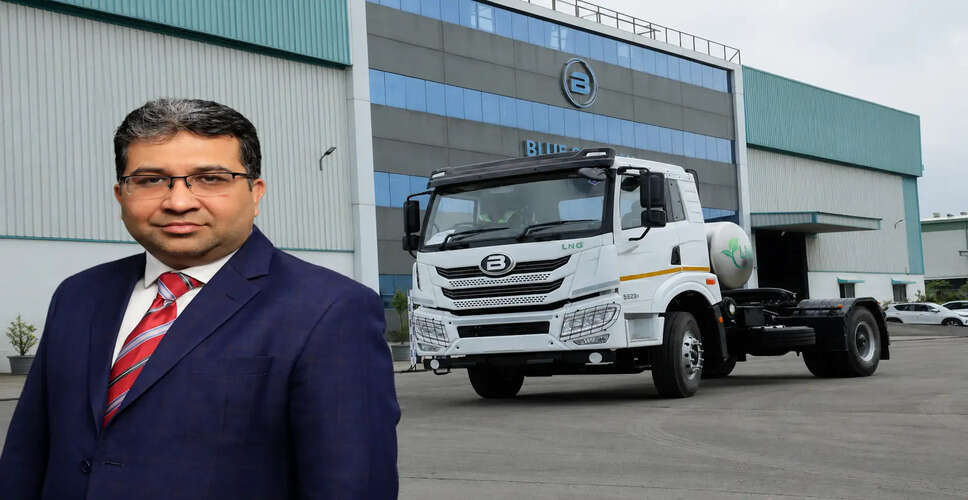

Exploring Alternatives to Diesel Amid Price Surge
With the recent increase in diesel prices driven by unstable crude oil rates, largely influenced by the ongoing crisis in the Middle East, transporters are looking towards Electric Vehicles (EVs) and Liquefied Natural Gas (LNG) as viable alternatives. Transitioning from diesel trucks to electric options could enable transporters to reduce their costs by approximately 10%, which may ultimately benefit consumers. In a recent discussion with a media outlet, Anand Mimani, CEO of Blue Energy Motors, emphasized, “India is a cost-sensitive nation. Any significant transition must focus on cost. The rise in diesel prices has prompted a shift in mindset among businesses, transporters, and government entities.”
He noted that both EVs and LNG vehicles are becoming increasingly attractive for heavy commercial transport, with EVs being ideal for shorter distances and LNG being more effective for long-distance travel. “LNG is excellent for long hauls, while EVs excel in short hauls. Electric trucks can efficiently cover routes of up to 500 kilometers thanks to advancements in battery technology and swapping infrastructure,” he explained.
Regarding the financial aspects of alternative fuels, Mimani stated that the total cost of ownership (TCO) for EV and LNG trucks is already competitive with diesel vehicles. “Currently, diesel is priced at around Rs 100 per liter, whereas the TCO for EVs and LNG is more favorable,” he added. “Electricity costs in many states range from Rs 6 to 8 per unit, enabling heavy-duty EV trucks to save approximately 10-15%, depending on the route and usage.” For LNG vehicles, the fuel costs about Rs 80-85 per kg, offering better fuel efficiency and additional savings for transport operators.
Will Lower Operating Costs Lead to Cheaper Goods?
Mimani discussed whether reduced operating costs would result in lower prices for goods, stating that the outcome hinges on how transporters and companies manage these savings. He noted that alternative fuels could help companies keep transportation costs stable even as diesel prices rise, thus alleviating inflationary pressures on everyday products. “Transporters also have to manage EMIs and other expenses. The business cycle fluctuates, and while some years may yield savings, others may not,” he remarked. He further mentioned that electricity costs, except in Maharashtra, typically range from Rs 6 to 8 per unit, making EVs more economically viable.
Challenges in EV Adoption: Upfront Costs and Financing
One of the primary hurdles to the adoption of EVs in the commercial sector is their higher upfront costs and the availability of financing. Mimani pointed out that while EV trucks can lead to operational savings, their initial price is significantly greater. “A 55-ton electric truck is priced around Rs 90 lakh, compared to Rs 30 lakh for a diesel truck. Currently, financing for EVs is also more costly. We need easier financing options and lower capital costs,” he stated. He suggested that battery swapping models could help mitigate upfront costs by decoupling the battery price from the vehicle itself, making EV trucks more accessible for fleet operators.
“If banks begin to finance EV and LNG vehicles similarly to how they finance diesel trucks, it would greatly benefit transporters,” he added. The expansion of charging infrastructure, a reliable electricity supply along major routes, and initial government incentives could further enhance the adoption of these alternative fuels.