
Diet Coke Prices Rise in India Amid Global Supply Chain Disruptions

Impact of Geopolitical Tensions on Beverage Pricing
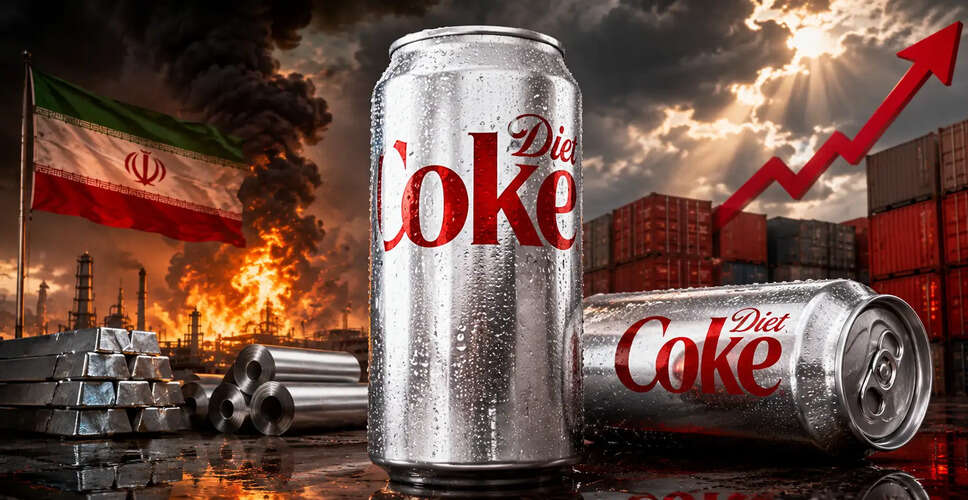
In an unexpected turn of events, the price of your beloved fizzy drink has increased due to ongoing international conflicts. A recent report highlighted that the tensions between the US and Iran have led to a shortage of Diet Coke in India, primarily due to a reduction in the availability of aluminum cans. Consequently, Coca-Cola has introduced a new 330-ml can of Diet Coke priced at 50 rupees. Sources indicate that this adjustment was necessary as the smaller cans faced supply constraints, prompting the company to adapt to rising costs.
The geopolitical situation has disrupted essential shipping routes, resulting in increased freight charges and delays in obtaining packaging materials like aluminum. As a temporary measure, Coca-Cola has opted for the slightly larger can format for Diet Coke in India, raising the retail price from Rs 40 for the previous 300 ml cans to Rs 50 for the new 330 ml cans. Although the company has yet to release an official statement regarding this change, industry analysts suggest that the introduction of the larger can is a strategy to maintain consistent product availability.
This price increase reflects the broader implications of global logistics challenges, which have escalated shipping insurance costs and disrupted trade, leading to higher operational expenses and supply limitations. It also highlights how companies are adjusting to the shifting landscape of global trade to ensure that consumers continue to receive their preferred products. Experts note that this Rs 10 increase and the transition to a larger can format for Diet Coke illustrate the tangible effects of geopolitical events on everyday consumer goods. The ongoing supply chain disruptions, rising freight costs, and fluctuating commodity prices are compelling businesses to reconsider their packaging and sourcing strategies, showcasing the overarching inflationary trends and the increasing costs associated with conducting business in a turbulent global trade environment.