
Delhi's New EV Policy Sparks Surge in Electric Vehicle Stocks
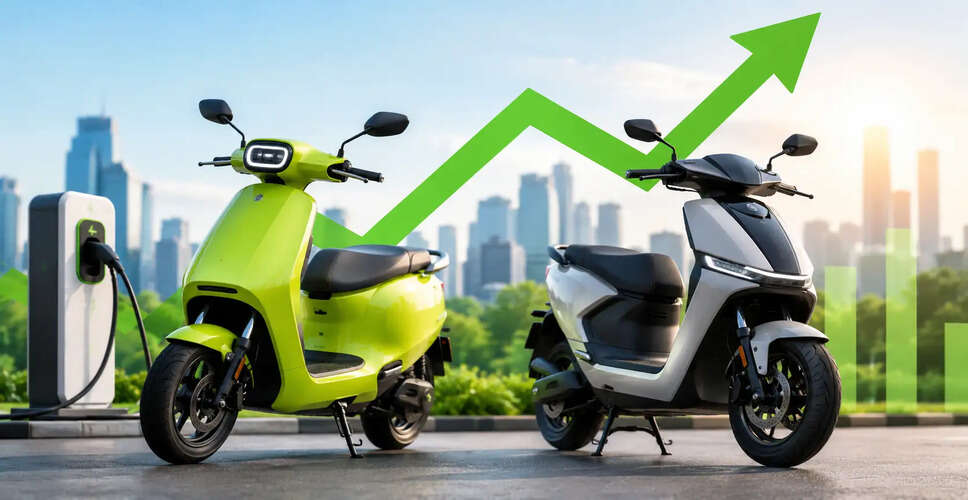

Ola Electric and Ather Energy See Stock Increases
Shares of Ola Electric jumped by over 11%, while Ather Energy's stock rose by 5% following the approval of a new electric vehicle policy by the Delhi government. This policy aims to incentivize electric vehicle purchases and facilitate a broader transition to electric mobility within the region.
The newly introduced electric vehicle policy offers a complete exemption from road tax and registration fees for all pure electric four-wheelers priced at Rs 30 lakh or below, provided they are registered in the national capital. Additionally, buyers of electric two-wheelers will also benefit from this initiative. The Delhi government plans to provide subsidies of Rs 30,000 in the first year, Rs 20,000 in the second year, and Rs 10,000 in the third year.
Approved by the state Cabinet led by Chief Minister Rekha Gupta, this EV policy is set to take effect from July 1 and will remain in place until March 31, 2030. Chief Minister Gupta emphasized that a strong charging infrastructure is crucial for the policy's success, announcing plans to install over 30,000 EV charging stations throughout Delhi during the policy's duration. The necessary land for these installations has already been identified, and significant development of charging facilities is expected in the coming months.
The Gig Workers Association (GigWA) has expressed the need for a transition to electric mobility that is equitable and considers the needs of workers. They highlighted that delivery personnel, gig workers, auto drivers, and other informal workers who depend on two-wheelers for their livelihoods should not bear the financial burden of this transition. GigWA Organising Secretary Nitesh Kumar Das urged the Delhi government to facilitate a smooth transition by offering interest-free loans, sufficient subsidies, affordable charging options, battery-swapping infrastructure, and social protection for workers.
Industry experts believe that the new EV policy will significantly enhance the adoption of electric vehicles among daily commuters, lower vehicular emissions, and fortify the sector's infrastructure.