
Construction Costs Surge Amid Supply Chain Disruptions
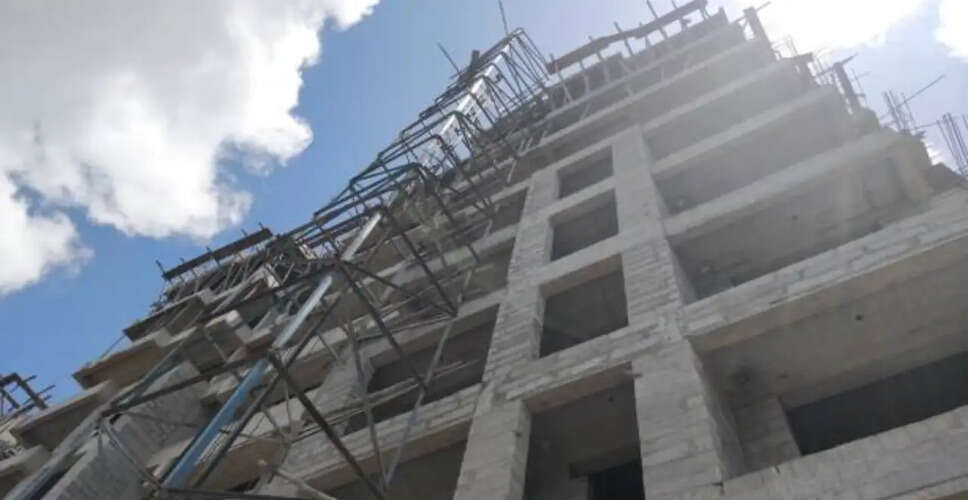

Significant Rise in Construction Expenses
Since the beginning of the Iran War, construction expenses have surged by as much as 25%. This increase is attributed to various factors including supply chain disruptions, labor migration, rising raw material costs, and shortages of essential materials. Shekhar Patel, President of CREDAI, emphasized that while these cost pressures are significant, the organized sector is now better prepared to handle such challenges compared to previous cycles.
CREDAI has reached out to the Union Housing Ministry to request relief on RERA timelines to safeguard both developers and homebuyers. The immediate concern extends beyond just rising costs; the availability of critical materials has become a pressing issue, a scenario that the industry has seldom faced.
Vikas Oberoi, Chairman and Managing Director of Oberoi Realty, highlighted during the FY26 earnings call that costs for energy, aluminum, and glass have escalated, while labor has also become more expensive, complicating material availability. He noted that these challenges are affecting the entire industry.
Gaurav Pandey, Managing Director and CEO of Godrej Properties, indicated that the cost impact could range between 5% and 6%. He pointed out that the supply-side shock is more fundamental, warning that if the situation in the Gulf persists for 6 to 12 months, it could pose broader economic risks beyond just the construction sector.
Prices for essential construction inputs such as cement, construction chemicals, steel, sand, bricks, bitumen, and electrical wiring continue to rise, while some items face availability challenges. Since the onset of the Iran War, the government has increased fuel prices to mitigate losses from rising crude oil costs. The first price hike occurred on May 15, with subsequent increases on May 19 and again on Saturday, pushing petrol prices above the Rs 100 mark.