
China Positions Itself as a Stabilizing Force Amid Global Tensions
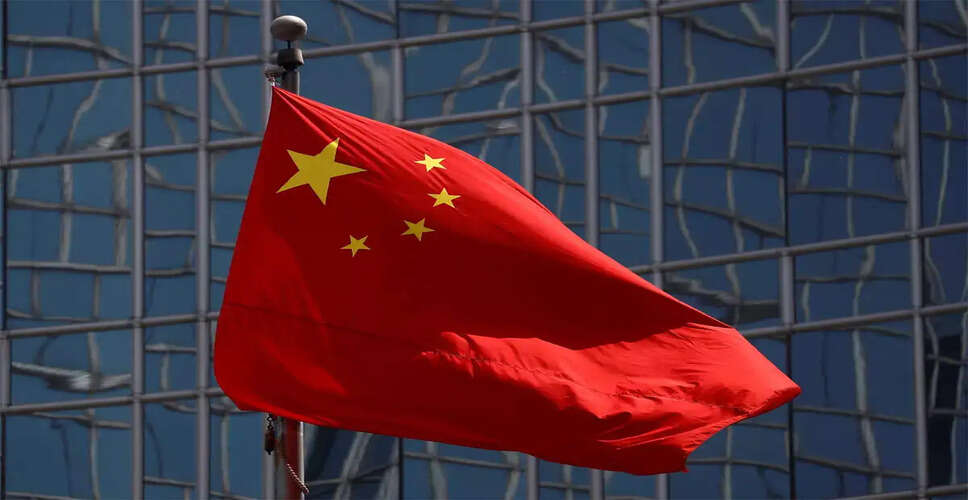
China's Role in Global Stability
As geopolitical tensions escalate due to the ongoing conflict involving Iran, China is positioning itself as a cornerstone of stability for both Asia and the global economy. In a climate where war-related uncertainties are shaking energy markets and growth predictions, Beijing is showcasing its image of steady leadership and economic strength.
During the annual Boao Forum for Asia held in Hainan, Zhao Leji, a senior Chinese official, advocated for peaceful resolutions to global disputes, urging nations to focus on dialogue rather than conflict. He stressed the importance of resolving issues through political avenues and respecting national sovereignty, cautioning against the dangers of 'hegemonism' and power politics—an indirect critique perceived as targeting Western nations, according to reports.
Zhao's statements come at a time of heightened military tensions involving the United States and its allies, with President Donald Trump advocating for a resolution despite ongoing hostilities. While Washington has expressed that diplomatic avenues remain available, Tehran has openly dismissed proposals, contributing to the uncertainty in global markets.
A significant concern for Asian economies is the potential disruption of energy supplies, especially through the strategically vital Strait of Hormuz. Any extended interruption in this crucial route could have severe repercussions on oil and gas supplies, threatening the manufacturing-driven economies in Asia that rely heavily on energy imports from the Middle East.
In light of these challenges, China is positioning itself as a dependable anchor for regional growth. Zhao emphasized Beijing's dedication to creating a stable, rules-based business environment and utilizing its extensive domestic market to bolster global economic development. His remarks reinforced China's broader narrative of being a trustworthy partner in a world that is becoming increasingly fragmented.
Other leaders at the forum shared similar views. Lawrence Wong remarked that China could assume a more significant role in maintaining regional stability and economic progress, especially as global uncertainties mount. He highlighted China's vast domestic market as a crucial growth engine for neighboring economies.
Diplomatic representatives also underscored the necessity of multilateral cooperation. Participants at the forum noted that during global crises—whether related to Iran or other issues—collaboration among nations becomes even more vital for sustaining stability. Overall, as the conflict in Iran continues to disrupt global markets, China is taking the opportunity to reinforce its role as a stabilizing force in Asia, promoting dialogue, economic collaboration, and a rules-based international framework.