
China Plans 7% Increase in Defense Budget Amid Regional Tensions
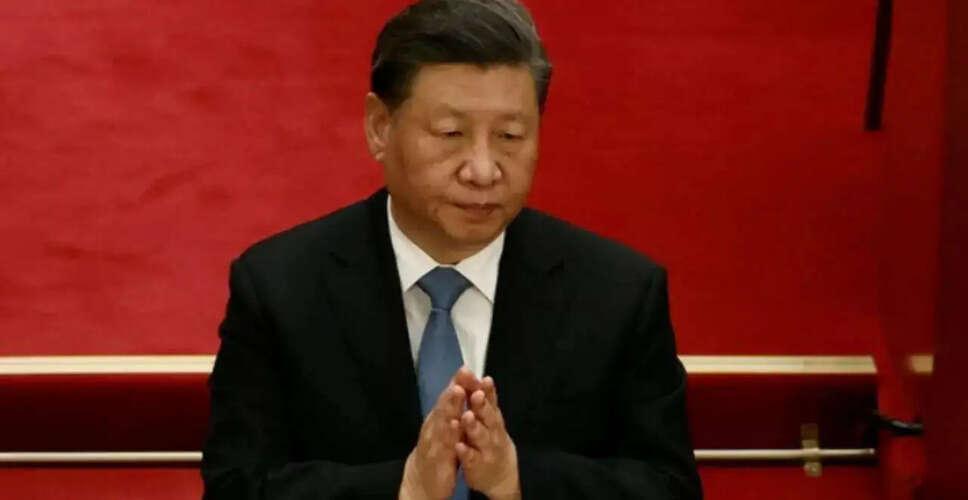
China's Defense Spending Announcement
On Thursday, China revealed its intention to increase defense expenditures by 7% in 2026. Although this marks the slowest growth rate in five years, it still surpasses the country's broader economic growth objectives and the military spending trends seen across Asia. This announcement comes amid escalating regional tensions, particularly concerning Taiwan.
Global security experts and military attaches in the region are closely monitoring China's budget as the nation aims to modernize its military by 2035. This includes enhancing deployments throughout East Asia and addressing corruption within its military ranks by removing senior officials, as reported by a news agency.
During the opening of the annual parliamentary session, Premier Li Qiang emphasized the need to enhance combat readiness and expedite the development of advanced military capabilities. He also provided a GDP growth forecast of 4.5-5% during the meeting.
Li stated, "These initiatives will strengthen our strategic capacity to protect China's sovereignty, security, and developmental interests," while noting that President Xi Jinping holds ultimate command responsibility.
The 7% increase follows three consecutive years of 7.2% annual growth and is the lowest since a 6.8% rise in 2021. This spending initiative is part of a broader campaign where China's military has been developing advanced missiles, naval vessels, submarines, and surveillance technologies.
This announcement coincides with a significant purge within the upper military echelons, marking the most notable disciplinary actions in decades. Two senior generals have been implicated in investigations, with Zhang Youxia, a long-time military ally of Xi, under scrutiny since January, and He Weidong expelled in October of the previous year. Currently, only two of the usual seven members remain on the Central Military Commission, with Xi as chair and newly appointed vice chairman Zhang Shengmin.
According to security analyst Wen-Ti Sung from Taiwan, the recent anti-corruption measures indicate that Beijing will maintain stricter oversight of military expenditures. The report also highlighted the government's commitment to the Communist Party's absolute leadership over the armed forces.