
Central Government Employees to Receive 2% Dearness Allowance Hike
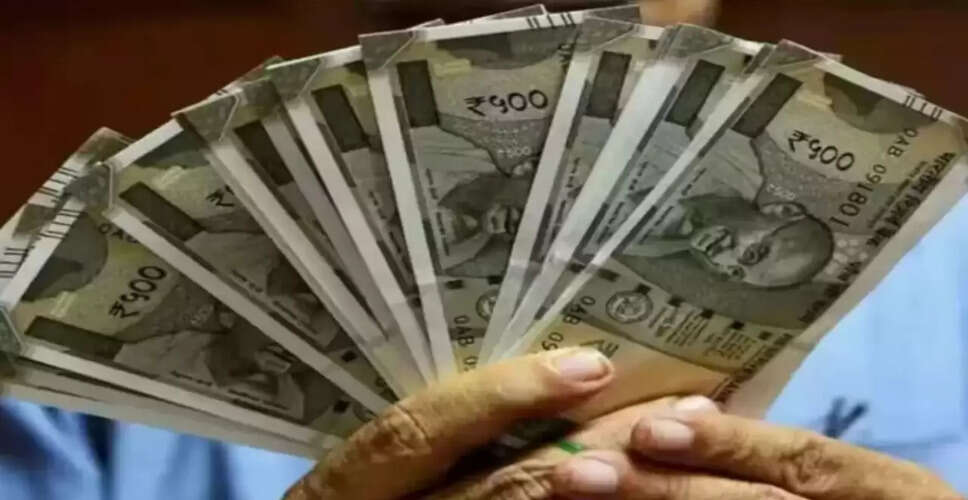

Cabinet Approves DA Increase
On Saturday, the Union Cabinet, under the leadership of Prime Minister Narendra Modi, sanctioned a 2% increase in the dearness allowance (DA) for central government employees and pensioners. This adjustment in DA is tied to inflation and is determined using a specific formula based on the 12-month average of the Consumer Price Index for Industrial Workers (CPI-IW). The increase in DA is computed by applying the new percentage to the basic salary.
This year, central government employees and pensioners experienced an extended wait for the DA announcement, as there were no updates in February and March. Adhil Shetty, CEO of BankBazaar, explained that the DA adjustments are driven by a formula linked to the CPI-IW's 12-month average, indicating a modest increase of approximately 2% to 3%. This would elevate the overall DA to around 60% or slightly higher, maintaining a consistent upward trend from 2% in 2016 to nearly 60% today, reflecting the cumulative inflation over the last decade.
Recently, the Madhya Pradesh cabinet also approved a 3% increase in DA for its government employees and pensioners, alongside approving development projects worth Rs 6,940 crore.
Central government employees are advocating for a thorough revision of salaries, pensions, and service regulations under the 8th Central Pay Commission. In a comprehensive memorandum submitted on April 14, the staff side of the National Council–Joint Consultative Machinery (NC-JCM) presented extensive demands that extend beyond standard pay adjustments. A key proposal includes raising the minimum basic salary to Rs 69,000, with a fitment factor of 3.83. Additionally, the employees' organization has recommended reinstating the previous practice of merging dearness allowance with basic pay once it surpasses 25%, aiming to better align with inflationary trends.
(more to come)