MANOJ KUMAR JENA, OP
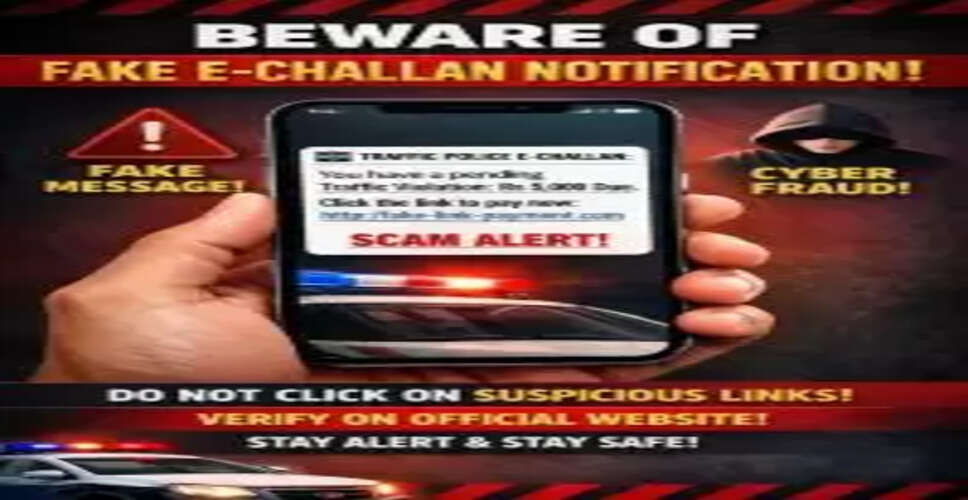
Bhubaneswar: With the state government enforcing a deadline for the verification of vehicle documents, many individuals are scrambling to organize their paperwork. Unfortunately, this rush has created a fertile ground for cybercriminals, leading to numerous reports of fraudulent E-challan notifications that have compromised personal data and resulted in financial losses.
Cybersecurity experts and local authorities have shared insights and preventive measures to combat these scams. Recently, several individuals have reported receiving .apk files disguised as E-challan notifications on their mobile devices, prompting users to open the files to access their challan information. However, clicking on these links or downloading the .apk files can lead to WhatsApp accounts being hacked or personal data being stolen.
Moreover, unsuspecting victims may inadvertently pay fines directly to these fraudsters. Cyber expert Prashant Sahu emphasized the importance of avoiding any .apk files sent from both known and unknown contacts. “The government does not send .apk files for challan viewing. Always verify that any web link includes ‘gov.in’ to ensure its authenticity,” Sahu advised. He explained that clicking on such links allows fraudsters to access personal information, which they can then use to target others, creating a chain reaction of data breaches.
To protect against hacking, Sahu recommends that if individuals receive suspicious messages or .apk files from acquaintances, they should call to confirm the file's legitimacy. It is crucial to refrain from clicking on unknown links or .apk files. “If you have clicked on a fraudulent link, switch your phone to flight mode immediately,” he added. “Then, navigate to your phone's app section and delete any suspicious applications right away. After backing up your files, consider formatting your device and reporting the incident to cyber police. This approach can help limit hackers' access to your device. If your WhatsApp account is compromised, email ‘support@whatsapp.com’ to mitigate further risks,” Sahu advised.
Cyber police have reiterated that individuals receiving challan notifications should scrutinize the links carefully, as identifying fake links is often straightforward. Additionally, the government does not send .apk files as E-challans. For any uncertainties, individuals should visit the ‘mParivahan’ website or app to check their challan details. “Staying informed and calm can significantly reduce the chances of falling victim to cyber fraud,” the cyber police concluded.
Odisha’s No.1 English Daily