
Bank of Japan Implements Major Rate Hike Amid Inflation Concerns
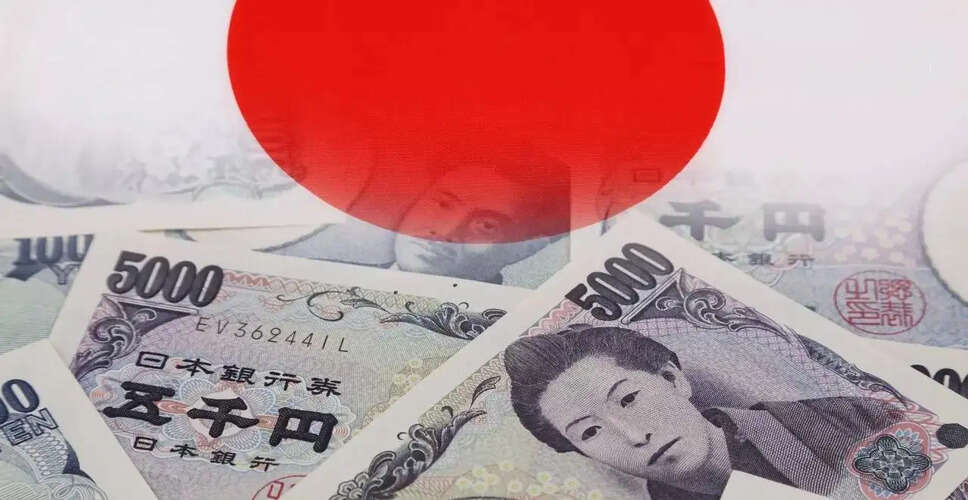

Significant Policy Shift by the Bank of Japan
On Tuesday, the Bank of Japan (BOJ) made a notable change to its monetary policy by increasing interest rates to their highest point in over 30 years. This decision aims to address the rising inflation driven by escalating energy prices. This marks the first rate hike since December, indicating Japan's shift away from a prolonged period of extremely low monetary policy. By tightening its stance, the BOJ aligns itself with a growing number of global central banks that are striving to manage inflation in a challenging economic environment.
In a move anticipated by financial analysts, the BOJ raised its short-term policy rate from 0.75% to 1%. This adjustment brings borrowing costs to levels not experienced since 1995, as reported by Reuters.
During a press conference, Deputy Governor Shinichi Uchida, who represented Governor Kazuo Ueda during his medical absence, highlighted the evolving economic landscape and ongoing inflation worries. He stated, "Compared to our last meeting, the risk of a significant economic downturn has lessened. However, the rise in prices is becoming widespread, and there is a risk that underlying inflation could exceed our target."
The BOJ acknowledged that risks related to the conflict in the Middle East have somewhat diminished due to advancements in securing alternative energy sources. Nevertheless, officials cautioned that inflationary pressures persist as increased oil prices continue to impact the economy.
Ongoing Inflation Concerns
In its policy statement, the central bank remarked that businesses are quickly passing on higher energy costs, which raises the likelihood of broader price hikes across various consumer goods and services. The BOJ noted, "Considering that medium- and long-term inflation expectations have also risen, there is a risk that underlying inflation may exceed our price target." The decision to raise rates was approved by a 7-1 vote, with board member Toichiro Asada dissenting, citing that economic risks from the Middle East conflict posed a greater threat to growth than inflation.
Recent economic indicators have reinforced the BOJ's apprehensions. Although a peace agreement between the United States and Iran has alleviated fears of a prolonged energy crisis, wholesale inflation surged to 6.3% in May, marking the highest level in three years.
Market Reactions and Future Outlook
Financial markets reacted positively to the BOJ's announcement. Japan's benchmark Nikkei 225 index rose by as much as 1%, reaching a new record high above 70,000. Meanwhile, the yen initially strengthened but later weakened to approximately 160.29 per dollar, a level that policymakers are closely monitoring due to potential currency intervention concerns.
The BOJ also revealed plans to halt further reductions to its bond-buying program starting in April next year, while continuing to purchase around 2 trillion yen worth of Japanese government bonds each month. The central bank indicated that it would no longer perform annual reviews of its bond tapering strategy but could modify purchases if necessary.
Market participants interpreted the absence of a more substantial rate increase as a positive sign. Hirofumi Suzuki, chief FX strategist at SMBC, commented, "The focus had been on whether a 50-basis point rate hike would be proposed, but no such proposal was made. Regarding the future rate-hike trajectory, this is favorable for risk asset prices, as it suggests that a sharp rate hike is likely to be avoided." Suzuki further noted that the BOJ is expected to continue raising rates gradually, approximately once every six months to a year.