
Airlines Confront Rising Oil Prices: Fare Hikes and Capacity Cuts Ahead
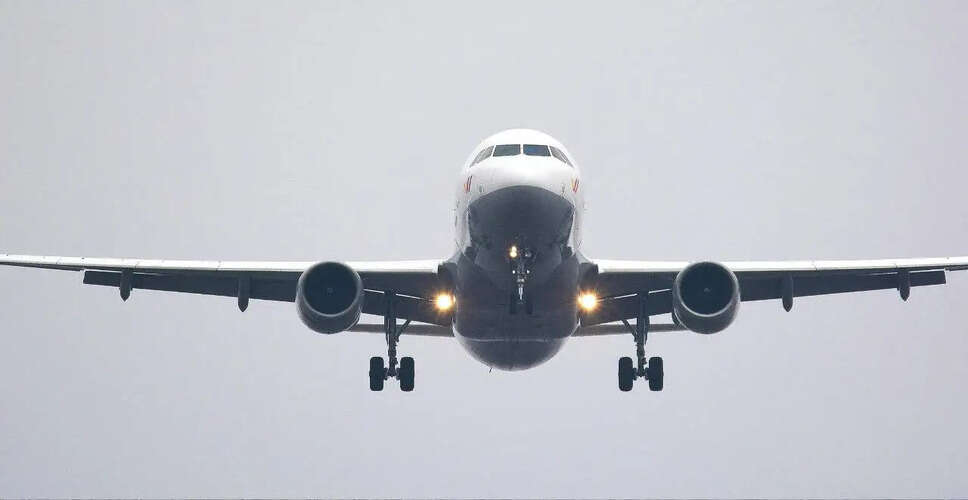
Challenges Faced by Global Airlines
Global airlines are currently grappling with the impact of escalating oil prices, prompting them to reevaluate their fare structures, routes, and overall capacity. This situation has arisen due to increasing fuel costs amid ongoing geopolitical tensions, particularly the US-Israel-Iran conflict. These rising expenses are jeopardizing airline profit margins and dampening consumer demand. Prior to the escalation of the conflict last month, the airline industry was poised for a lucrative 2026, with anticipated earnings of $41 billion, as reported by Reuters. However, the abrupt surge in jet fuel prices has diminished those optimistic projections.
In response, airlines are reassessing their operational strategies, reducing flight capacities, and raising ticket prices to manage the financial strain caused by the ongoing Middle East turmoil. Major airlines such as United Airlines, Air New Zealand, and SAS have already started to cut back on their schedules and implement fare increases. Additionally, other carriers are introducing fuel surcharges on tickets, according to the report.
Rigas Doganis, former head of Greece's Olympic Airways and current chair of Airline Management Group, remarked, "Airlines face an existential challenge. They will need to lower fares to stimulate dwindling demand, while simultaneously facing pressure to raise fares due to higher fuel costs. It’s a perfect storm." The industry had recently seen a robust recovery, with global passenger traffic exceeding pre-pandemic levels by approximately 9%. However, limited aircraft availability and supply chain issues have allowed airlines to maintain strong pricing power.
Andrew Lobbenberg, head of European transport equity research at Barclays, stated, "The only way to increase prices is to reduce capacity. I expect to see this happen again, similar to previous crises; airlines will need to start trimming capacity."
Travelers Prepare for Increased Fares
Passengers are already experiencing the effects of these changes. United Airlines CEO Scott Kirby recently suggested that fares might need to rise by 20% to cover fuel costs. Meanwhile, Cathay Pacific has repeatedly increased fuel surcharges, particularly affecting long-haul routes. Budget airlines may be the most adversely affected, as their clientele is generally more sensitive to price changes. Analysts predict that some travelers might consider alternative transportation options if airfares continue to escalate. Nathan Gee, head of Asia-Pacific transport research at Bank of America, noted, "For price-sensitive travelers, even short-haul flights may be downgraded to rail or bus alternatives."
Industry experts caution that the financial divide between strong and weak airlines could widen under these circumstances. Dan Taylor, head of consulting at aviation advisory firm IBA, stated, "Carriers with solid balance sheets, strong pricing power, and reliable access to capital are better equipped to handle ongoing pressures. Conversely, airlines with low profitability and limited funding options may encounter increasing financial difficulties."