
Air India's Revival: A Long-Term Vision Amid Financial Struggles

Long-Term Commitment to Air India's Transformation
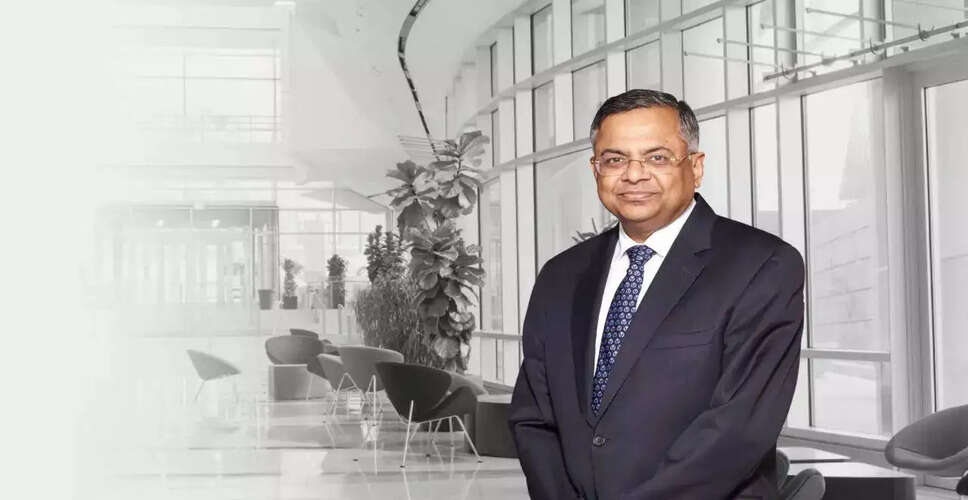
N. Chandrasekaran, the Chairman of Tata Sons, has called on shareholders to perceive the revival of Air India as a long-term initiative rather than a swift corporate turnaround. He acknowledged that the airline is still grappling with significant financial and operational hurdles. In a message accompanying Tata Sons’ annual report for the fiscal year ending March 31, 2026, he emphasized that revitalizing the airline demands ongoing investment, patience, and comprehensive structural reforms. Chandrasekaran noted that the transformation process is not limited to immediate operational improvements, highlighting various legacy issues that hinder the airline's advancement. "Considering its starting point, Air India's transformation should be viewed as a journey spanning five to ten years," he stated. He identified ongoing component delays, outdated technology infrastructure, and the need for a skilled technical workforce as key challenges.
Financial Struggles Intensify Post FY26
The financial results of the airline reveal the magnitude of its challenges. Air India reported a net loss exceeding Rs 22,000 crore for FY26, a significant rise from the Rs 10,859 crore loss recorded in FY25. This latest figure also exceeded the company’s initial internal forecasts, underscoring the tough operating conditions faced by the airline. Tata Group regained ownership of Air India from the Indian government in January 2022, initiating an ambitious modernization strategy aimed at enhancing the airline's competitiveness. However, the recent financial outcomes indicate that recovery is still a work in progress, with various external and internal factors impacting performance.
External Challenges and Leadership Changes
Chandrasekaran pointed out that several unforeseen events exacerbated the airline's difficulties throughout the year. "This year, Air India encountered three significant external challenges: airspace closures, fuel price surges driven by conflicts in West Asia, and foreign exchange fluctuations, along with the crash of AI171, making it the most challenging year for the airline. At every juncture, Air India's teams demonstrated resilience and adaptability," he remarked.
Ongoing Leadership and Fleet Enhancements
The challenging year also led to changes in leadership within the airline. After CEO Campbell Wilson's departure, Chandrasekaran took a more active role, conducting weekly reviews of flight operations, commercial strategies, and financial performance as the company aims to expedite its restructuring efforts. Despite the substantial losses, Tata Sons is optimistic about achieving key operational milestones. The refurbishment of the airline’s narrow-body aircraft for domestic routes has been completed, and upgrades to the interiors of wide-body aircraft are expected to continue into the latter part of FY28. These enhancements are part of a broader strategy to modernize the fleet and improve passenger experiences in the coming years.
Insurance to Mitigate Financial Impact of AI171 Incident
Tata Sons has also indicated that the financial repercussions of the June 12 Flight AI171 crash are likely to be largely offset by insurance coverage. The company anticipates that claims involving passengers, crew members, and third parties will be significantly covered under Air India’s aviation liability insurance policies, thereby reducing the potential for a substantial financial impact on the airline.