
A Disturbing Experience with Food Safety: A Cautionary Tale

A Shocking Dinner Experience
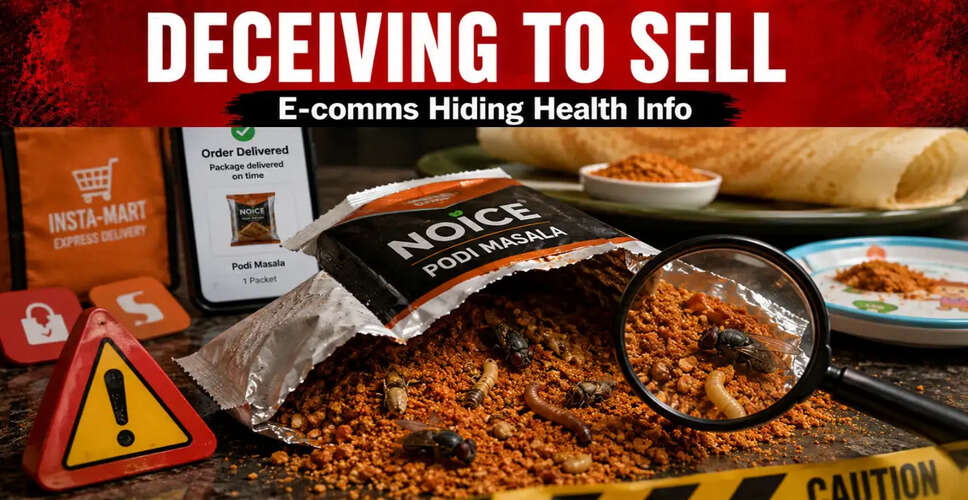
Some culinary experiences leave a lasting impression, and unfortunately, this one is among them. It was just another evening when we decided to prepare dosas for dinner. Like many others, we ordered a packet of podi masala from Noice via Swiggy Instamart, drawn in by its favorable ratings. The delivery was prompt, and the packaging appeared to be in perfect condition, sealed without any signs of damage. I opened the packet, sprinkled the podi on a dosa, and served it to my family. However, as I reached for the packet to prepare another dosa for my two-year-old daughter, I felt something unusual in my hand. Initially, I thought it was a lump of masala, but soon realized it was a large fly. I was taken aback; it was not a small insect but a sizable one, with its eyes clearly visible. In disbelief, I emptied the entire packet, only to discover even more disturbing contents: numerous worms, dead flies, and other contaminants mixed in with the podi. We were utterly horrified. My immediate concern was not about the refund but rather the thought of what could have happened if my daughter had consumed this. I had already served her one dosa before noticing the contamination, and that thought alone was enough to leave us shaken.
To their credit, Swiggy processed a refund without delay. However, a refund cannot erase such a traumatic experience. Subsequently, both Swiggy and Noice reached out to us, stating they had conducted a thorough investigation. They checked the batch number, reviewed their manufacturing processes, and even inspected the stock at the storage facility from which our order was dispatched. They reported no similar issues in any other packets. They sincerely apologized, assured us they would enhance their quality checks, and urged us not to lose faith in their brand, emphasizing that this incident was not reflective of their usual standards. I appreciate their responsiveness and the fact that they maintained communication throughout the process, which is often lacking in many companies. However, the reality remains: once trust is broken, it is challenging to rebuild. Food is not just another commodity we purchase online; we entrust brands with our family's health. We expect that if a packet is sealed and arrives in perfect condition, its contents should be safe for consumption.
This incident prompts a broader question: as consumers, how can we determine where the failure occurred? Was it during manufacturing, storage, transportation, or at another stage? We may never find out. What is clear, however, is that the responsibility for ensuring food safety extends beyond merely issuing a refund. I share this experience not to criticize any specific company but to highlight that such incidents can occur, even with sealed products that seem entirely normal from the outside. Sometimes, a single glance at the right moment can avert a far more serious situation. This report is part of a campaign focused on consumer rights and offers expert advice on what to check before making online purchases.