
Exciting Developments for Next-Gen Tata Harrier and Safari EVs
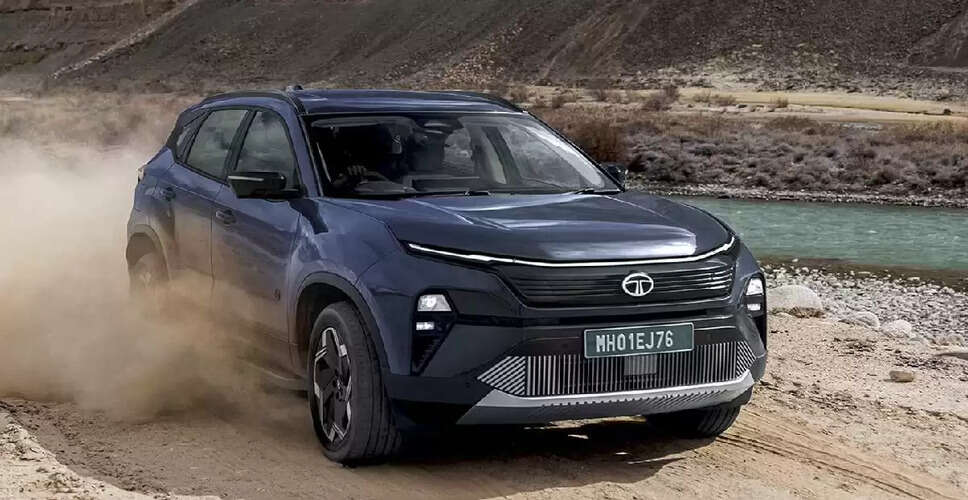
Anticipation Grows for Tata's New SUVs
Tata Motors is making strides in the development of its next-generation Harrier and Safari electric vehicles, generating buzz among automotive fans. Recent reports indicate that these SUVs are being developed under the codenames 'Taurus' and 'LEO'. The upcoming models will utilize a new platform designed to accommodate various powertrain configurations.
The new Harrier and Safari will be built on Tata's Omega architecture, which is a significantly modified version of Land Rover's D8 platform. Understanding market demands, Tata has consistently integrated top-notch features into its vehicles. The original D8 platform lacked the capability for an all-wheel-drive system with a traditional powertrain, prompting the company to redesign the architecture to support a QWD EV system.
Given that the Safari name has long been associated with all-wheel-drive excellence, this new platform is expected to restore its former reputation, which is a key reason behind Tata Motors' decision to innovate.
Innovative Powertrain Options for the New Models
Tata is also working on a brand-new 1.5-litre Direct Injection Turbo petrol engine, which is anticipated to debut in the next-generation Harrier and Safari. The top-tier variants may feature an enhanced diesel version of the existing 2.0-litre engine sourced from Stellantis, as per industry reports. Additionally, an upgraded electric powertrain is expected for the all-electric versions of these new SUVs.
With these enhancements, the dimensions of the SUVs may increase. Tata has partnered with Desay, a leading Chinese automotive electronics firm, to create a next-generation architecture that could incorporate autonomous driving capabilities in the forthcoming models.
In the meantime, Tata has a series of launches lined up, with the Sierra and Sierra EV expected to be unveiled shortly.