
Rehana Sultan Reflects on Bold Choices and Love in Cinema
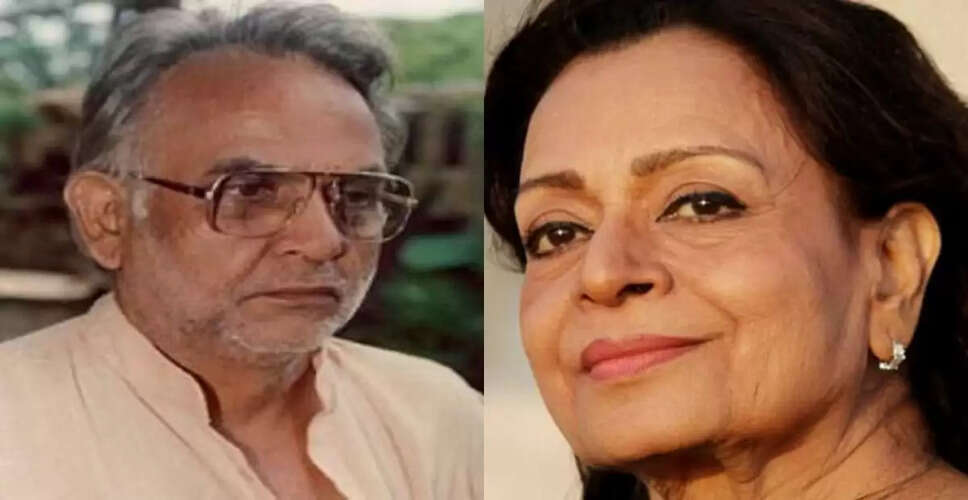
A Journey Through Bold Cinema
Rehana Sultan, alongside her husband and filmmaker B R Ishaara, made a significant impact in the film industry with their daring and progressive works, notably in the film Chetna. For a Bahai girl from a conservative background, participating in such audacious scenes was a considerable challenge.
Rehana shares her experience, stating, “I chose to be part of Chetna because I was drawn to the narrative about rehabilitating a prostitute. However, I struggled with one particular scene that required my character to be nude. I found it impossible to perform a nude scene. I repeatedly questioned Ishaara Saab about it, perhaps leading him to think I was open to it. Thankfully, my hairdresser Maria came to my rescue, styling my hair with a wig that effectively concealed my upper body. Regarding the provocative shot of my legs positioned in an inverted V, I merely had to adjust my skirt slightly. The impact was striking, and I believe the boldness stemmed more from the mind than the body.”
Eventually, B R Ishaara became Rehana Sultan's husband. “Our relationship blossomed a couple of years after Chetna. I always admired him as a writer and director. My father had faith in me, allowing me to pursue a career in film, and I was determined not to tarnish his reputation. When I grew closer to Ishaara Saab, I confided in my father. He was a very proper British gentleman, while Ishaara Saab was an unconventional artist. They were complete opposites. Initially, my father was taken aback by the cultural differences, but over time, he grew fond of his future son-in-law. Sadly, we married in 1984 after my father had passed away. Neither of us felt the urge to become parents, believing there was no need to bring another life into this troubled world. My younger brother, who lived with us, became like a son to me.”