US Rejects Iran's Proposal to Reopen Strait of Hormuz Amid Nuclear Concerns
US Secretary of State Responds to Iran's Offer
Marco Rubio, the US Secretary of State, has stated that Iran's recent proposal to reopen the Strait of Hormuz under specific conditions is unacceptable to the United States and its allies. He emphasized that the primary focus of the US campaign remains on preventing Iran from acquiring nuclear weapons. Reports indicate that Iran has presented a new offer to the US, suggesting a delay in nuclear negotiations, as per Axios, which cited a US official and two knowledgeable sources.
The Strait of Hormuz is a crucial maritime route that links the Persian Gulf to the Gulf of Oman, with approximately 20% of the global oil and liquefied natural gas supply passing through it. In an interview with Fox News, Rubio expressed that Iran's interpretation of the strategic waterway differs significantly from that of the international community. He remarked, “What they mean by opening the straits is, yes, the straits are open, as long as you coordinate with Iran, get our permission, or we’ll blow you up and you pay us.” He further asserted that such conditions do not equate to the straits being open and that the international community cannot accept Iran's attempts to control access to these waterways.
Regarding the proposal to postpone discussions on Iran's nuclear ambitions, Rubio stated, “There’s no doubt in my mind that at some point in the future if this radical clerical regime remains in charge in Iran, they will decide they want a nuclear weapon.” He reiterated that this fundamental issue must be addressed, as it remains central to the ongoing situation.
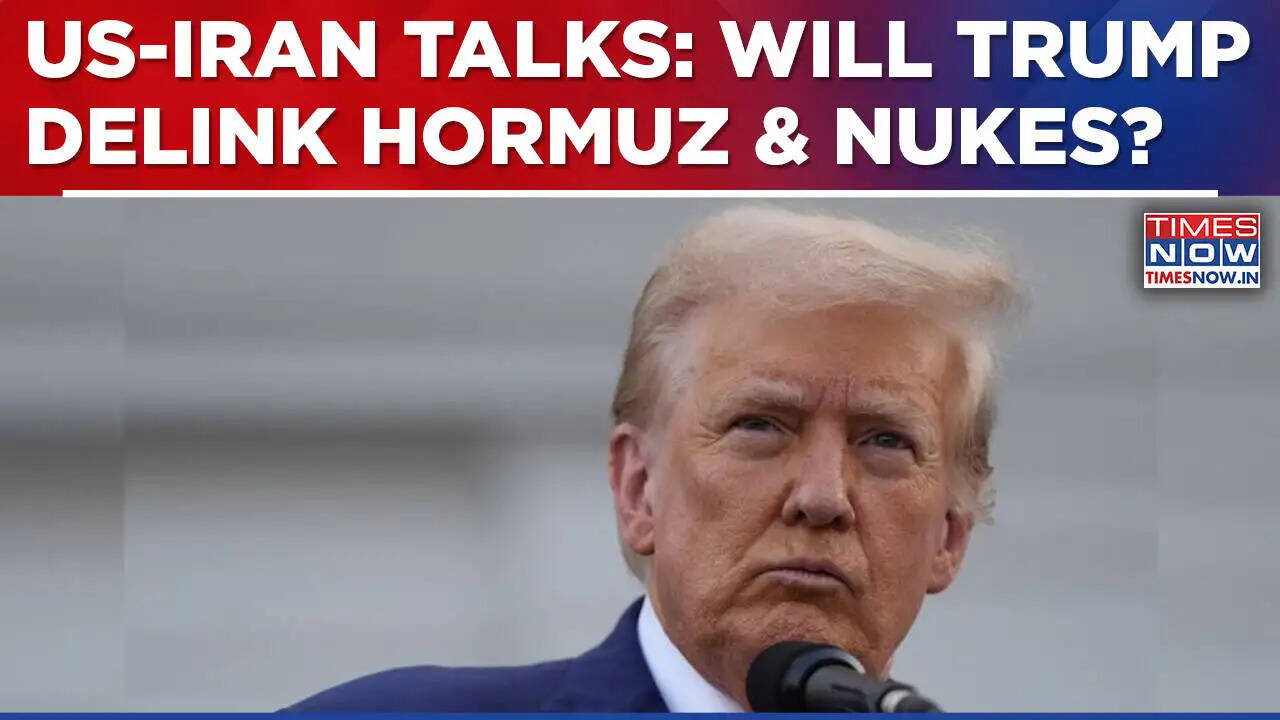
When asked if he believes Iran is genuinely interested in reaching an agreement, Rubio described them as adept negotiators who are merely seeking to buy time. He stressed the importance of ensuring that any agreement reached effectively prevents Iran from advancing towards nuclear armament. White House press secretary Karoline Leavitt mentioned that Trump's national security team convened to discuss Iran's proposal regarding the vital waterway, but she did not provide specific details about the outcome of those discussions, indicating that Trump would address the matter later.
(With inputs from AP)