Mojtaba Khamenei: Iran's New Supreme Leader and His Complex Legacy
Introduction to Mojtaba Khamenei
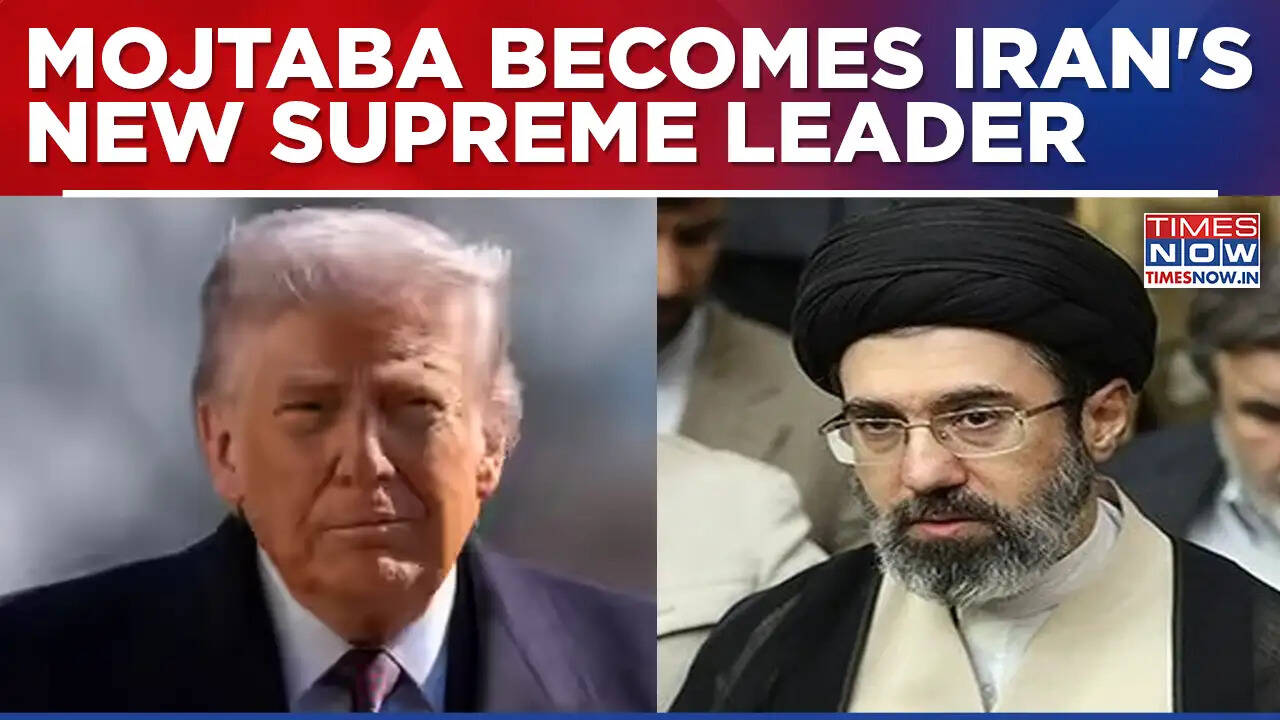
Mojtaba Khamenei has ascended to the position of Iran's supreme leader, succeeding his father, the late Ayatollah Ali Khamenei, who took on the role after the passing of the Islamic Republic's founder, Ayatollah Ruhollah Khomeini. The foundation of Khomeini's Islamic Republic was built on the principle that governance should be based on divine law rather than hereditary lineage. The revolution primarily targeted the Shah's hereditary monarchy, which was characterized by the Pahlavi family's dynastic rule.
Who is Mojtaba Khamenei?
Who is Mojtaba Khamenei?
Following the death of Ali Khamenei in a US-Israel coordinated attack, Mojtaba Khamenei, aged 56, has been entrusted with steering the Islamic Republic through its most significant crisis in nearly five decades. Although he has largely remained out of the public eye, his influence has been felt within the Office of the Supreme Leader, where he has acted more as a power broker than a conventional political figure.
The Implications of His Appointment
How Mojtaba Khamenei's Appointment Represents Both Continuity and Contradiction
The Iranian constitution stipulates that the Assembly of Experts, an 88-member clerical body, is responsible for selecting the supreme leader. However, this assembly is not a neutral entity; it is influenced by various factors such as familial connections, political patronage, and media control. Candidates for the assembly are vetted by institutions closely aligned with the supreme leader, making the process opaque.
Mojtaba Khamenei's rise to power is characterized by his ability to cultivate influence without relying on electoral victories, instead managing access to the highest office in the nation. The circumstances surrounding Ali Khamenei's death add a layer of complexity and, paradoxically, legitimacy to Mojtaba's leadership. Nevertheless, his appointment raises significant contradictions within Iran's modern history, particularly given the Islamic revolution's foundational rejection of dynastic rule.
The Legacy of Ali Khamenei
Will Mojtaba Khamenei Walk in His Father's Footsteps?
Ali Khamenei was a prominent figure during the revolutionary era, known for consolidating power over many years. In contrast, Mojtaba's reputation is built on two main aspects: his close ties with Iran's security apparatus, especially the Islamic Revolutionary Guard Corps (IRGC), and his staunch opposition to reformist movements and Western engagement. His influence is more recognized behind the scenes than through public speeches or religious authority.
The Iranian Revolution and Its Aftermath
The Iranian Revolution of 1979 and The Fall of Shah
The Iranian Revolution of 1979 was a pivotal moment in the 20th century, fundamentally altering the nation's religious, political, and economic landscape. What began as discontent over economic struggles and political oppression culminated in the overthrow of Mohammad Reza Pahlavi's regime and the establishment of the Islamic Republic. Prior to the revolution, Iran, particularly Tehran, was known for its vibrant culture and progressive ideals, but the role of religion in governance has since expanded significantly.
Iran's Transition - From Khomeini to Khamenei
By the late 1970s, Iran's economic troubles had escalated, leading to widespread strikes and protests. Ruhollah Khomeini, a cleric in exile, emerged as a vocal critic of the Shah. Following months of unrest, the Shah departed Iran on January 16, 1979, paving the way for Khomeini's return and the establishment of a new political system centered on Islamic law. Over time, clerical bodies consolidated power, taking control of key state institutions. Although elections continued, real authority remained with the Supreme Leader and the clerical establishment. After Khomeini's death in 1989, Ali Khamenei succeeded him, gradually tightening his grip on power until his recent death in a joint strike by the US and Israel.