Iran's IRGC Issues Retaliation Warning Following Khamenei's Burial Amid Rising Tensions
Iran's Response to Rising Tensions
In light of escalating tensions in West Asia, the Islamic Revolutionary Guard Corps (IRGC) of Iran has delivered a stern warning of retaliation following the burial of the late Supreme Leader Ayatollah Ali Khamenei. Brigadier-General Ahmad Vahidi emphasized that the attack will not be forgotten, asserting the need for justice against those responsible, particularly targeting the American military, which he described as 'child-killers.' He stated, as reported by Al Jazeera, that 'Avenging the martyrs and punishing the perpetrators will remain a definitive and unforgettable demand.'
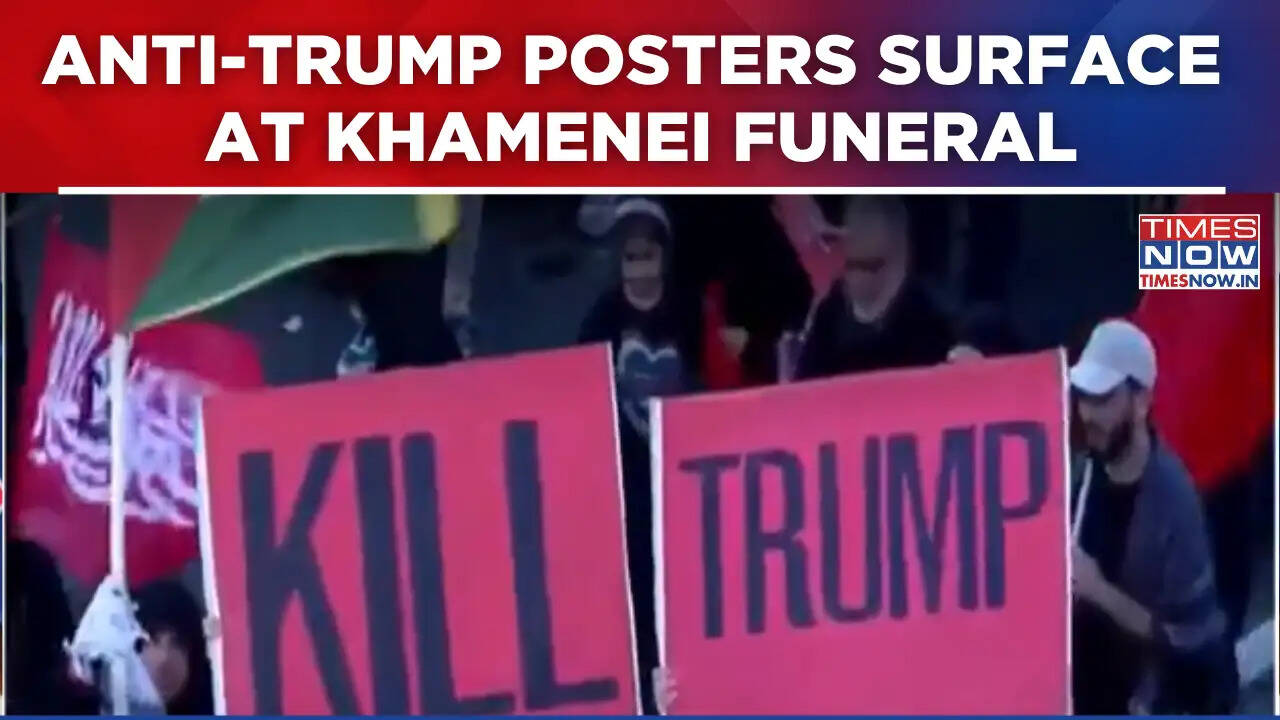
Vahidi further warned that the leaders of America and adversaries of the Islamic Revolution should understand that the assassination of this revered leader will not diminish the resistance's resolve. His remarks followed Khamenei's burial in Mashhad after a period of public mourning, with Khamenei having been killed in US-Israeli strikes on February 28.
Earlier today, Israeli Defence Minister Israel Katz indicated that Israel might resume military actions against Iran with increased intensity if hostilities escalate. He stated during a military event, 'If we have to go back, we will go back, with even greater force,' and confirmed that Israeli forces are on high alert, ready to strike Iran again if necessary.
This exchange of threats coincided with new military actions from both Tehran and Washington. The US conducted airstrikes against Iranian targets, prompting Tehran to retaliate by targeting US-aligned nations in West Asia.
The ongoing cycle of attacks has jeopardized the fragile ceasefire, with recent Iranian assaults on vessels in the Strait of Hormuz prompting US President Donald Trump to warn of potential escalation if such actions continue.