Diplomatic Efforts Intensify Over Strait of Hormuz Amid US-Iran Tensions
Diplomatic Talks in Muscat
As tensions escalate between Washington and Tehran, jeopardizing the fragile ceasefire between the US and Iran, diplomatic efforts are quietly taking place in Muscat. Qatar has joined Iran and Oman in discussions aimed at alleviating concerns regarding the Strait of Hormuz, a vital global shipping lane. Before the US-Israeli strikes on Iran on February 28, this strait facilitated the transit of approximately 20% of the world's oil and gas supplies.
According to reports, Qatari officials are actively participating in the negotiations in Muscat, focusing on a potential agreement to fully open the median lane in the Strait of Hormuz, which lies in international waters. Iran's Foreign Minister Abbas Araghchi arrived in Muscat on Saturday to meet with Oman's Foreign Minister Badr al-Busaidi. Their discussions centered on bilateral relations and regional issues, particularly concerning the Strait of Hormuz.
As noted in a post on Araghchi's official Telegram account, the two ministers exchanged insights on establishing safe passage mechanisms for vessels navigating the Strait of Hormuz, in line with the US-Iran Memorandum of Understanding (MoU). This visit is part of ongoing consultations between Iran and Oman regarding regional developments, especially the Strait of Hormuz, as stated by Esmaeil Baghaei, spokesperson for Iran’s Ministry of Foreign Affairs.
Baghaei further mentioned that the foreign ministers would deliberate on creating effective measures to ensure the safe transit of ships through the Strait of Hormuz. The MoU, signed on June 18, indicates that Tehran will engage in dialogue with Oman to outline future maritime administration and services in the Strait.
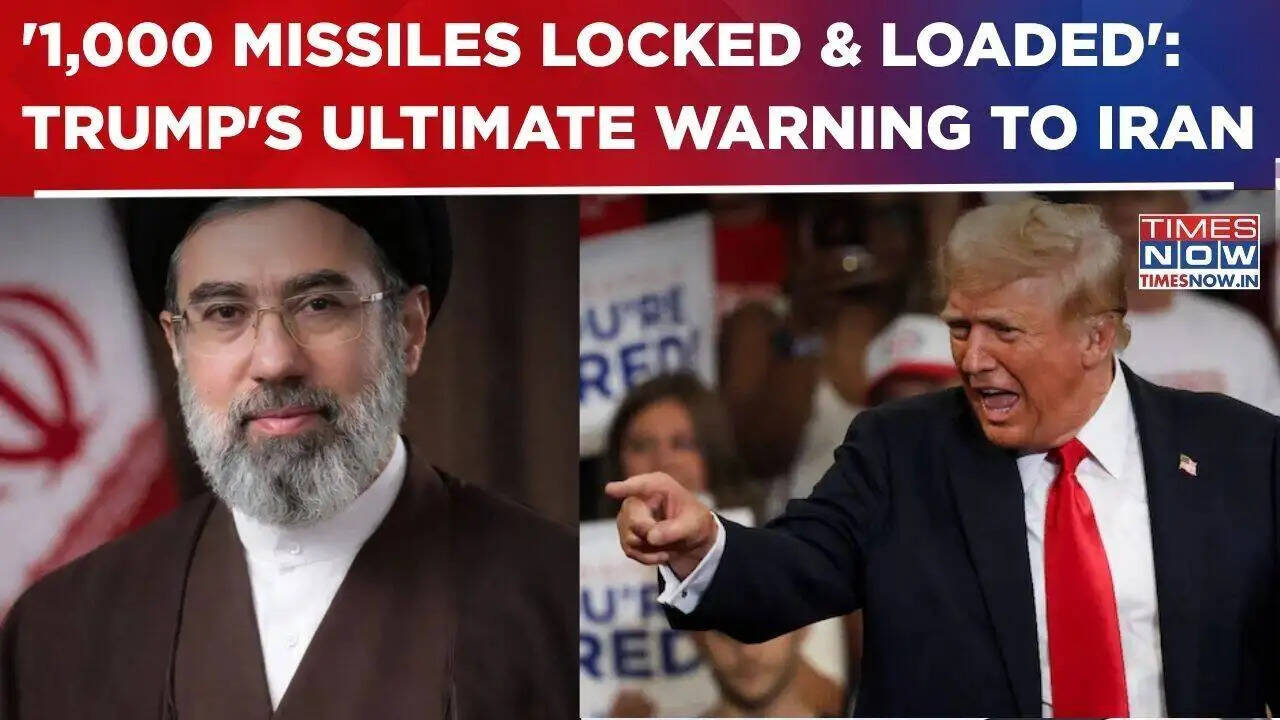
Despite President Donald Trump's assertion that the US-Iran MoU is "over," he indicated that discussions with Iran would persist. Conversely, Iran has warned that it will no longer adhere to the agreement if the US continues its violations and does not alter its stance. Earlier today, Iran's Supreme Leader Mojtaba Khamenei vowed to seek "revenge" for his father's death during US-Israel strikes. Ali Khamenei was killed on the first day of the conflict, February 28, and was laid to rest in Mashhad earlier this week. Trump stated on his social media platform, Truth Social, that a thousand missiles are "locked and loaded" and aimed at Iran, with many more ready to follow if the Iranian government acts on its threats.