US Naval Blockade on Iranian Shipping Raises Global Oil Supply Concerns
Escalation of Tensions in the Middle East
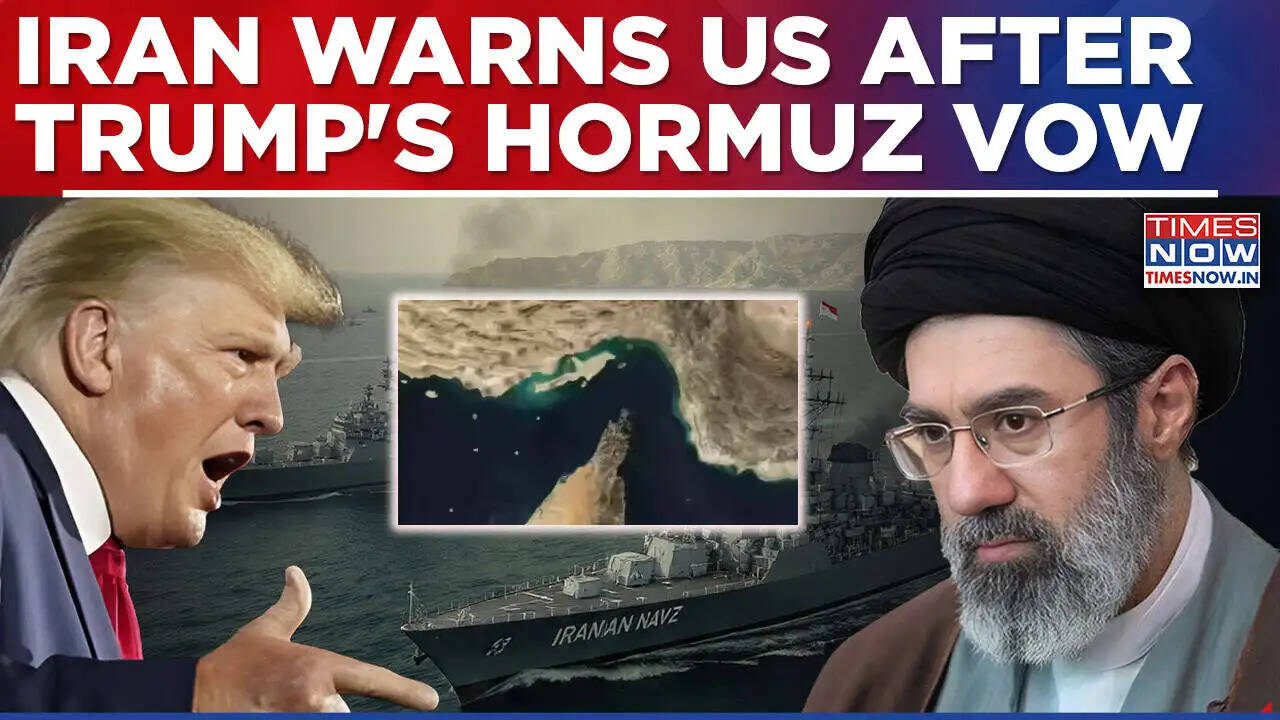
The United States has intensified its stance in the Middle East by initiating a naval blockade aimed at Iranian shipping. This action threatens to disrupt the flow of millions of barrels of crude oil, potentially impacting already fragile global energy markets. This escalation follows unsuccessful diplomatic discussions, with talks in Islamabad between US and Iranian representatives concluding without a resolution. In response to this breakdown, US President Donald Trump declared that the Navy would commence a blockade of all vessels attempting to navigate the Strait of Hormuz. US Central Command subsequently stated that unauthorized ships in the restricted area would be subject to interception, diversion, or capture, although vessels traveling to or from non-Iranian ports would still be permitted safe passage.
Iran's reaction was immediate, with the Islamic Revolutionary Guard Corps warning that any military presence near the strait would be considered a breach of the ceasefire and would provoke a strong response.

Potential Impact on Oil Supply
How Much Oil Supply Is At Risk?
The blockade poses a significant threat to the flow of Iranian crude oil into the global market. In March, Iran was exporting approximately 1.84 million barrels per day, with April shipments also remaining robust. Halting this supply could exacerbate availability issues in an already volatile market. However, there is a temporary buffer, as data suggests Iran had increased production prior to the escalation, resulting in over 180 million barrels of oil either in transit or stored at sea. Much of this inventory is reportedly located near key Asian shipping hubs, including waters off Malaysia, Indonesia, and China, according to reports.
Nevertheless, sustained disruptions could deplete these reserves and heighten supply concerns, particularly for nations reliant on imported crude.
Current Situation in the Strait of Hormuz
What’s Happening In The Strait Of Hormuz?
The Strait of Hormuz, a vital route for global energy trade, has experienced a significant decline in shipping traffic since tensions escalated. Even after a temporary ceasefire was announced on April 7, shipping activity has remained low. There are indications of limited movement, with a Chinese tanker carrying methanol recently passing through the strait, marking one of the first transits since the blockade began. A few other vessels have also managed to navigate the area, but overall traffic is still considerably below normal levels.
Meanwhile, several tankers have changed their routes or ceased operations entirely. Some ships that intended to load crude have either turned back or anchored nearby, reflecting the uncertainty affecting maritime operations in the region.
Countries Most Affected by the Blockade
Which Countries Could Feel The Impact Most?
Asian economies are expected to be the most affected by any extended disruption. Prior to the escalation, China was the leading buyer of Iranian crude. Recent policy shifts have also allowed other importers, such as India, to resume purchases. In fact, India was set to receive its first shipment of Iranian crude in years this week, but such plans are now uncertain due to the blockade.
The implications are significant, as the Strait of Hormuz typically facilitates about 20% of the world’s oil and gas shipments. Any prolonged disruption could tighten supply chains, elevate freight risks, and drive up global energy prices.