India's Evolving LPG Import Strategy Amid Global Tensions
Shifting LPG Import Sources
In response to the recent conflicts in West Asia, India has significantly altered its liquefied petroleum gas (LPG) import strategy. The country has reduced its dependence on traditional suppliers from the region, opting instead to diversify its sources to ensure a steady supply. This strategic shift has helped mitigate potential disruptions in the domestic market, although it has resulted in increased logistics expenses and financial pressure on state-owned fuel retailers. Prior to the geopolitical unrest, around 90% of India's LPG imports came from West Asian countries, making the nation vulnerable to supply disruptions. A recent report from Crisil indicates a notable change in sourcing patterns, with the United States emerging as a major supplier by April 2026, providing nearly one-third of India's LPG imports, a significant increase from just 8% in February. This agreement encompasses 2.2 million tonnes annually, which constitutes about 10% of India's total LPG import needs. Additionally, Iran has re-entered India's import landscape, contributing roughly 6% of shipments in April, while other countries like Argentina, Chile, France, and the Netherlands have also supplied LPG. Although this expanded procurement network has bolstered supply security, it has led to longer transportation routes and increased freight costs.
Impact of Rising Prices on Demand
Demand Slumps As Prices Rise
Despite efforts to maintain sufficient supplies, the ongoing conflict has adversely affected LPG consumption. Demand fell from 3.2 million tonnes in February to 2.47 million tonnes in April, driven by tighter market conditions and escalating costs. This decline followed a robust fiscal year 2026, where LPG consumption surged by 6% to a record 33.2 million tonnes. However, demand saw a sharp downturn, decreasing by 13% year-on-year in both March and April, and plummeting by 20% in May.
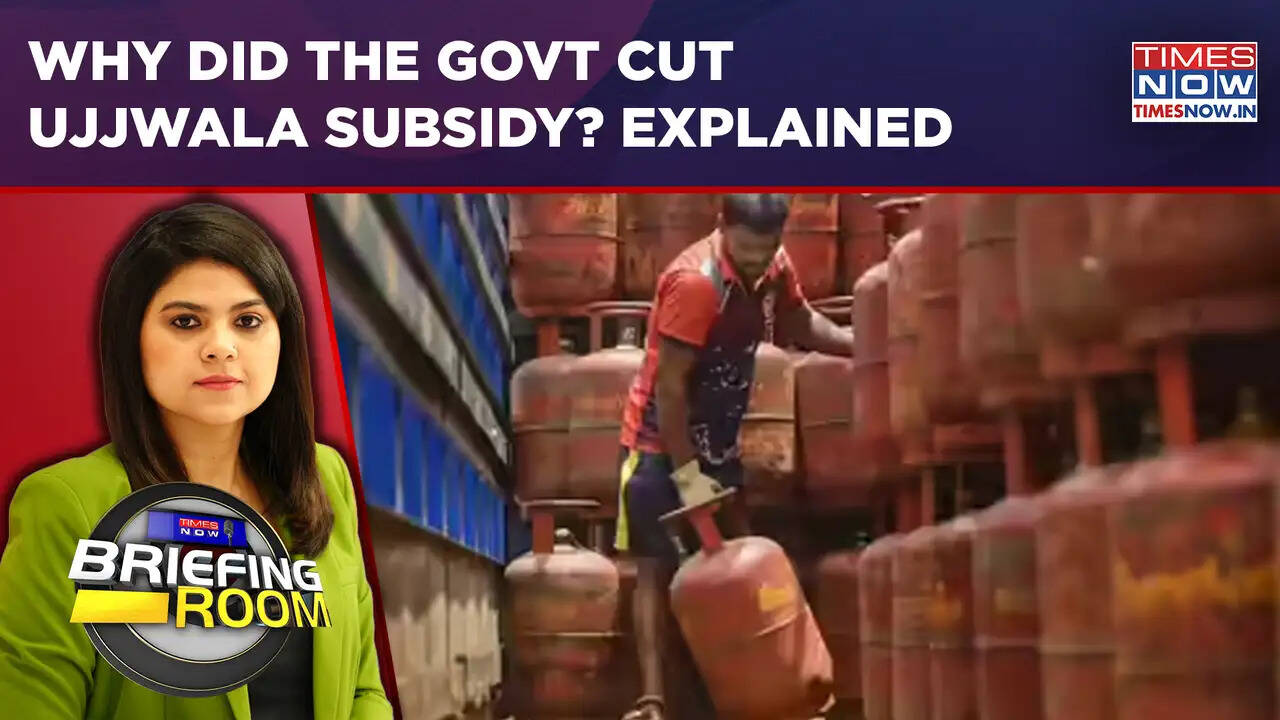
Commercial and industrial users were particularly impacted, as these sectors are more sensitive to market-driven pricing and reduced their consumption more significantly than households due to rising fuel costs and supply uncertainties. The report noted that the Saudi Aramco Contract Price, which serves as the benchmark for Indian LPG imports, increased by 46% from February to June amid supply uncertainties and high freight costs. However, domestic consumers largely avoided the full brunt of these price hikes. In Delhi, the cost of a standard 14.2-kg household LPG cylinder rose by only about 10% during this period, while the price of a 19-kg commercial cylinder soared by over 79%. To keep household LPG prices relatively stable, oil marketing companies absorbed a considerable portion of the increased procurement costs. The report indicated that under-recoveries on domestic LPG cylinders in Delhi reached Rs 651 per cylinder in May, with total losses for fuel retailers estimated at nearly Rs 22,000 crore between March and May.
Future Outlook and Ongoing Risks
Risks Remain Despite Easing Tensions
As tensions in West Asia begin to ease and major trade routes potentially reopen, immediate concerns regarding LPG availability are likely to diminish. Global prices may also stabilize in the upcoming months. Nonetheless, this situation has highlighted India's ongoing reliance on imported LPG and the inherent risks of concentrated sourcing. While the diversification of imports and increased domestic production have helped mitigate some impacts, the sector remains vulnerable to geopolitical shifts, disruptions in shipping markets, and fluctuations in global energy prices.