
India's Shift in Diplomacy: Engaging with Afghanistan's New Reality
India's recent diplomatic shift regarding Afghanistan marks a significant change in its approach to international relations. By advocating for a reevaluation of sanctions and engaging with the Taliban, India aims to ensure stability in the region. This strategy encompasses humanitarian aid, development projects, and a focus on preventing the use of Afghan territory for terrorism. As India navigates its relationship with Afghanistan, it seeks to balance regional power dynamics, particularly concerning Pakistan, while promoting peace and security. Discover how India's evolving policy could impact the future of Afghanistan and the broader region.
| Jun 9, 2026, 11:37 IST
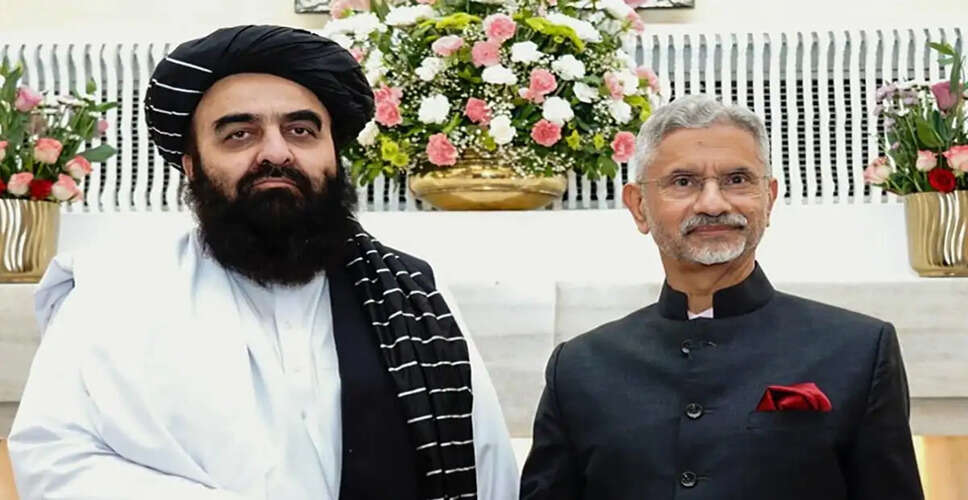

India's New Stance on Afghanistan
India's recent diplomatic approach towards Afghanistan may come as a surprise, but it reflects a significant shift in global diplomacy. At the United Nations, India has advocated for a reevaluation of the current sanctions regime concerning Afghanistan, acknowledging the altered political landscape. Ambassador Harish Parvathaneni emphasized during a Security Council meeting that relying solely on punitive measures has yielded limited results. He urged the international community to adopt policies that serve the interests of the Afghan people and encourage constructive actions.
Strategic Implications of India's Position
This stance is not merely a humanitarian concern; it carries profound strategic implications. Afghanistan serves as a crucial geographical link between Central and South Asia. India has maintained its presence through development projects, infrastructure initiatives, and humanitarian aid. A prolonged instability in Afghanistan could benefit terrorist organizations and anti-India elements. Therefore, India aims to prevent Afghan territory from being used for any terrorist activities. In this context, India has chosen to engage in practical dialogue with the Taliban leadership. While formal recognition has not yet been granted, India has resumed operations at its embassy in Kabul and welcomed Afghan ministerial delegations in New Delhi.
Balancing Regional Power Dynamics
Another critical aspect of India's strategy is to balance Pakistan's influence in Afghanistan. Pakistan has long sought to maintain its foothold in the region, making India's active diplomatic and humanitarian engagement vital for regional power equilibrium. India has also received assurances from the Afghan administration that its territory will not be used for attacks against India, which is crucial from a security standpoint.
Continued Humanitarian and Development Support
India has consistently provided humanitarian and developmental assistance in Afghanistan. Ambassador Parvathaneni noted that India's aid programs are operational across all 34 provinces, reaching people through over 500 development projects. India is supplying food, medicines, disaster relief materials, and other essential support. Additionally, India has committed to providing ambulances, rebuilding homes in earthquake-affected areas, and repairing critical infrastructure. The country is also active in education and capacity-building, offering scholarships to Afghan students. Cricket and cultural ties remain significant avenues for connection between the two nations.
Enhancing Trade and Connectivity
In the realm of trade and connectivity, India and Afghanistan are emphasizing collaboration. India is exploring opportunities in Afghanistan's mining sector and working to simplify trade through the Afghan air cargo corridor. For regional connectivity, India utilizes Iran's Chabahar port, facilitating access to Afghanistan while bypassing Pakistan.
Condemnation of Pakistani Airstrikes
Meanwhile, India has strongly condemned the airstrikes by Pakistan on Afghanistan, labeling them as direct assaults on Afghanistan's sovereignty during the UN General Assembly. India expressed grave concern over civilian casualties and targeted killings, referencing a UN assistance mission report that indicated 372 civilian deaths and 397 injuries in the first three months of this year, with many incidents occurring during Ramadan. India stressed the necessity of adhering to international humanitarian law and prioritizing civilian safety.
Support for UN Efforts
India has also backed the efforts of the UN assistance mission, recognizing its role in promoting peace and stability in Afghanistan during these challenging times. Additionally, India indirectly responded to Pakistan's comments questioning the credibility of UN reports, asserting that multilateralism and support for the UN cannot be selectively accepted or rejected.
A Balanced Approach to Afghan Policy
Ultimately, India's current policy towards Afghanistan is a balanced mix of pragmatic diplomacy, humanitarian cooperation, and regional security concerns. New Delhi understands that isolating Afghanistan entirely could exacerbate extremism, terrorism, and instability. Therefore, India is striving to maintain stability in Afghanistan through positive engagement, developmental cooperation, and strategic dialogue. This approach is deemed beneficial not only for the Afghan populace but also crucial for sustaining peace and security across the region.